
BioWare Veteran Mark Darrah Defends Anthem, Says Studio Evolution Is the Point, Not the Problem
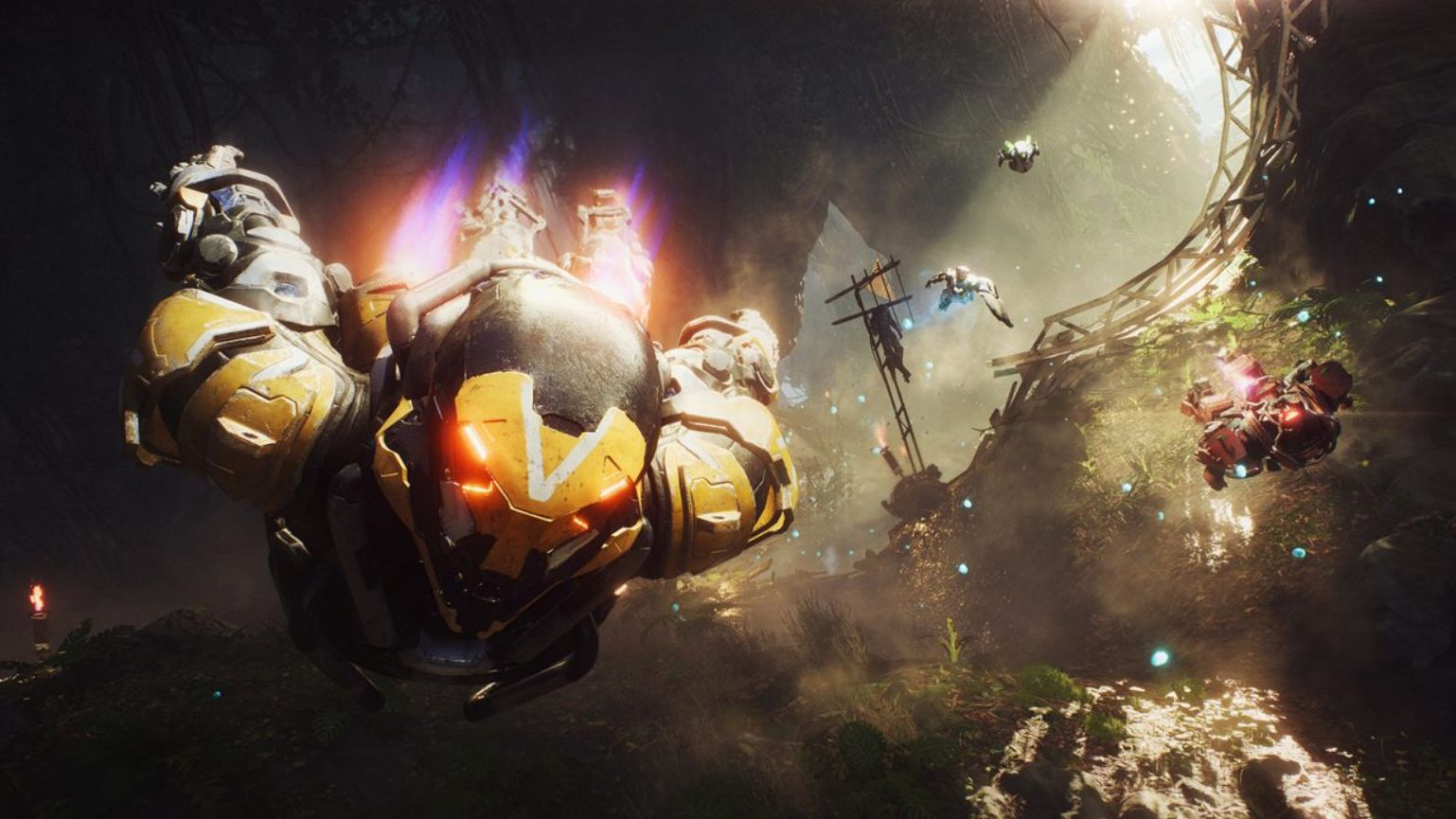
Electronic Arts has now shut down Anthem’s online servers as of January 12, 2026, effectively ending the game’s playable lifespan for anyone who still enjoyed its jet powered combat loop and co op chaos. In the aftermath, a long running debate resurfaced across the community and the industry: whether BioWare should never have attempted Anthem at all.
That exact question is addressed head on in a 40 minute interview hosted by Destin Legarie with BioWare veteran Mark Darrah, who served as Executive Producer on Anthem and contributed to most of the studio’s catalog from Baldur’s Gate in 1998 through Dragon Age: The Veilguard in a later consulting capacity.
Darrah’s core defense is simple and strategically important for anyone watching how studios survive in a market dominated by platform shifts. He argues that the idea of BioWare staying locked into a single identity is historically inaccurate, because the studio has repeatedly reinvented itself. His blunt line lands like a mic drop: “By that argument, we should never have made Mass Effect.”
That does not mean Darrah tries to rewrite history or pretend Anthem’s launch issues were minor. He calls out real production and design shortcomings that map directly to why Anthem struggled to retain players at scale. In the interview, he reflects that Anthem began with inspiration closer to Diablo, but as a looter shooter it needed to learn more from Destiny, particularly around loot structure, endgame depth, and retention pacing.
He also highlights the central contradiction of Anthem’s best feature, flight. Flight delivered the fantasy, but it forced enemy design toward ranged pressure so players could not simply disengage vertically, and it created co op pacing issues where veteran squads could pull newer players through story beats too quickly, undermining narrative flow. Darrah even notes BioWare tested a version without flight before E3 2017, though the intent was always to bring it back, which aligns with the reality that Anthem without flight would have lost its single most differentiating hook.
On live operations, Darrah floats a provocative alternative that feels ahead of its time, even by 2026 standards: a 9 month public beta where the entire team stays engaged in rapid iteration and live feedback loops before a full branded launch. In modern terms, that is a structured way to de risk content cadence and systems tuning before the market judges your first 30 days as your permanent identity. He also suggests BioWare Austin, the team with deeper live service experience from Star Wars: The Old Republic, should have been given control earlier, especially since the post launch overhaul effort Anthem Next ultimately ran out of runway and staffing before being canceled in February 2021.
Darrah also spreads accountability in a way that feels credible. He says EA deserves a meaningful share of the blame, but not all of it. That framing matters because it avoids the easy narrative of blaming publisher pressure alone, and instead points to systemic project management realities: unclear product identity, late clarity on core loop priorities, and the difficulty of shipping a new IP live service without an established blueprint.
Looking forward, Darrah’s silver lining is that BioWare is now effectively a single project studio focused on the next Mass Effect, rather than splitting talent across multiple concurrent productions the way it did during Anthem, Mass Effect: Andromeda, and Dragon Age development cycles. That focus could reduce internal competition for resources and align the studio around one clear shipping target, but it also raises the bar for execution because there is no second lane to absorb risk if the flagship stumbles.
So the real takeaway is not whether Anthem should have existed. It is whether studios are allowed to evolve without being punished for trying, while still being held to a modern standard of production discipline when the reach gets too big.
Do you agree with Darrah’s stance that studios must take risks to evolve, or do you think Anthem proved BioWare should stay laser focused on single player RPG design?
