
Bank of America Says GTA 6 Should Cost 80 Dollars, Framing Gamers as the Fix for the Industry’s Budget Problem
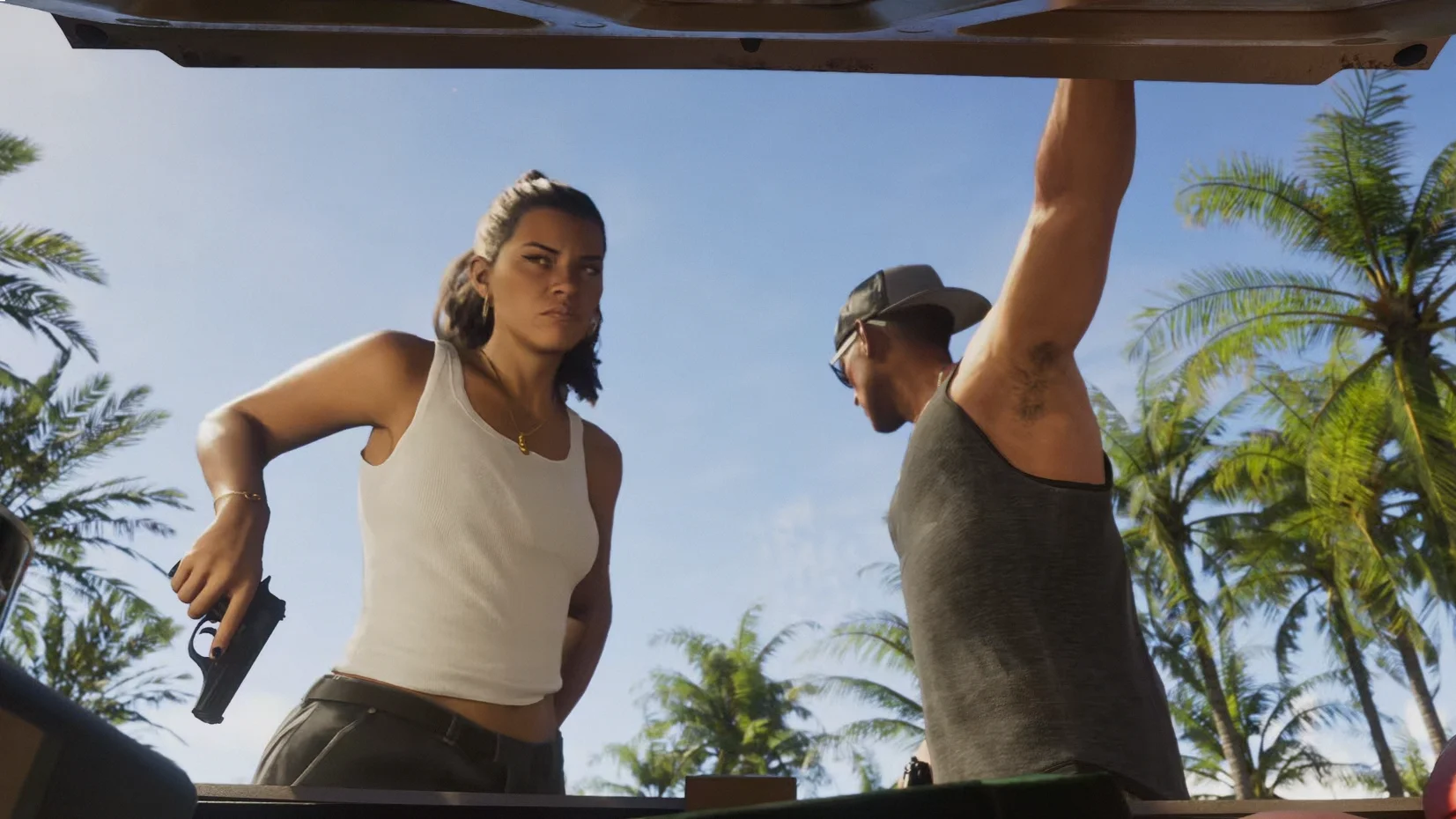
A new investor note is putting Grand Theft Auto 6 at the center of one of the gaming industry’s most uncomfortable debates: whether players should be asked to absorb even higher launch prices in order to support a business that many analysts now view as financially strained. According to a report from Seeking Alpha, Bank of America analyst Omar Dessouky came away from the recent iicon Video Game Conference with the view that GTA 6 should launch at 80 dollars instead of the previously assumed 70 dollar level. The reasoning was not just about maximizing Take Two’s revenue. It was also about giving the broader industry permission to move standard AAA pricing higher.
That is the part likely to frustrate a lot of players. The note reportedly argued that if GTA 6 launches at 70 dollars, other publishers will have a much harder time justifying 80 dollar pricing for their own games. In other words, Bank of America is effectively treating Rockstar’s next blockbuster as the market leader that could reset expectations for everyone else. Seeking Alpha’s summary says the bank believes raising the GTA 6 price point could act as a catalyst for the entire sector, helping other developers and publishers normalize higher prices across the board.
From a business perspective, the logic is easy to follow. GTA 6 is one of the few releases with enough cultural momentum to test a higher base price without obvious fear of collapse in demand. If any game can get away with it, this is probably the one. But the public facing argument lands much worse when it is framed as an industry rescue plan. Players are already dealing with expensive hardware, premium editions, early access upsells, cosmetic monetization, and in many cases unfinished launches. Asking them to shoulder a new baseline price so the wider sector can stabilize feels less like value creation and more like passing management failures down to the customer.
That tension becomes even sharper when compared with what Take Two itself is saying publicly. Strauss Zelnick still has not confirmed a final GTA 6 price, but in recent comments he emphasized that Take Two’s job is to charge “way, way, way less” than the value being delivered, arguing that consumers need to feel both that the product is amazing and that the price is fair. That is a very different tone from the Bank of America note, which looks at GTA 6 not primarily as a consumer product, but as leverage to move the entire market upward.
There is also a wider structural issue behind this debate. The industry’s financial strain did not appear out of nowhere. Major budgets have climbed to extraordinary levels, development cycles have stretched longer, layoffs continue across the business, and crunch remains a recurring issue even at the top end of the market. In that context, telling players to pay more for games can look like a shortcut around harder questions about project scope, production discipline, and executive decision making. If budgets are out of control, many players will argue that the answer should start with how games are managed, not with how much the audience can be pushed.
At the same time, the pricing debate is not purely unreasonable in economic terms. Zelnick has also pointed out that game prices have not risen nearly as fast as inflation adjusted value comparisons in other parts of entertainment. That argument has been gaining traction across the industry, especially as Nintendo and other publishers test higher price tiers. But there is still a difference between saying a premium game might justify a premium price and saying it should be used to pull the whole market upward. The first is a product argument. The second is an industry coordination argument, and gamers are much more likely to push back on that one.
For now, the most important point is simple: GTA 6 does not have a confirmed retail price yet. What exists today is investor speculation, analyst pressure, and growing market chatter around whether Rockstar will be the company that makes 80 dollars feel normal. That may still happen. But if it does, players will likely see it less as a natural evolution and more as another moment where the industry tried to solve its own internal problems by charging the audience more.
Would you accept an 80 dollar GTA 6 if the game truly delivered, or do you think making players fund an industry wide price reset would be a step too far?
