
Baldur’s Gate 3 Set the Bar So High That James Ohlen Called Making Its Sequel Insanity
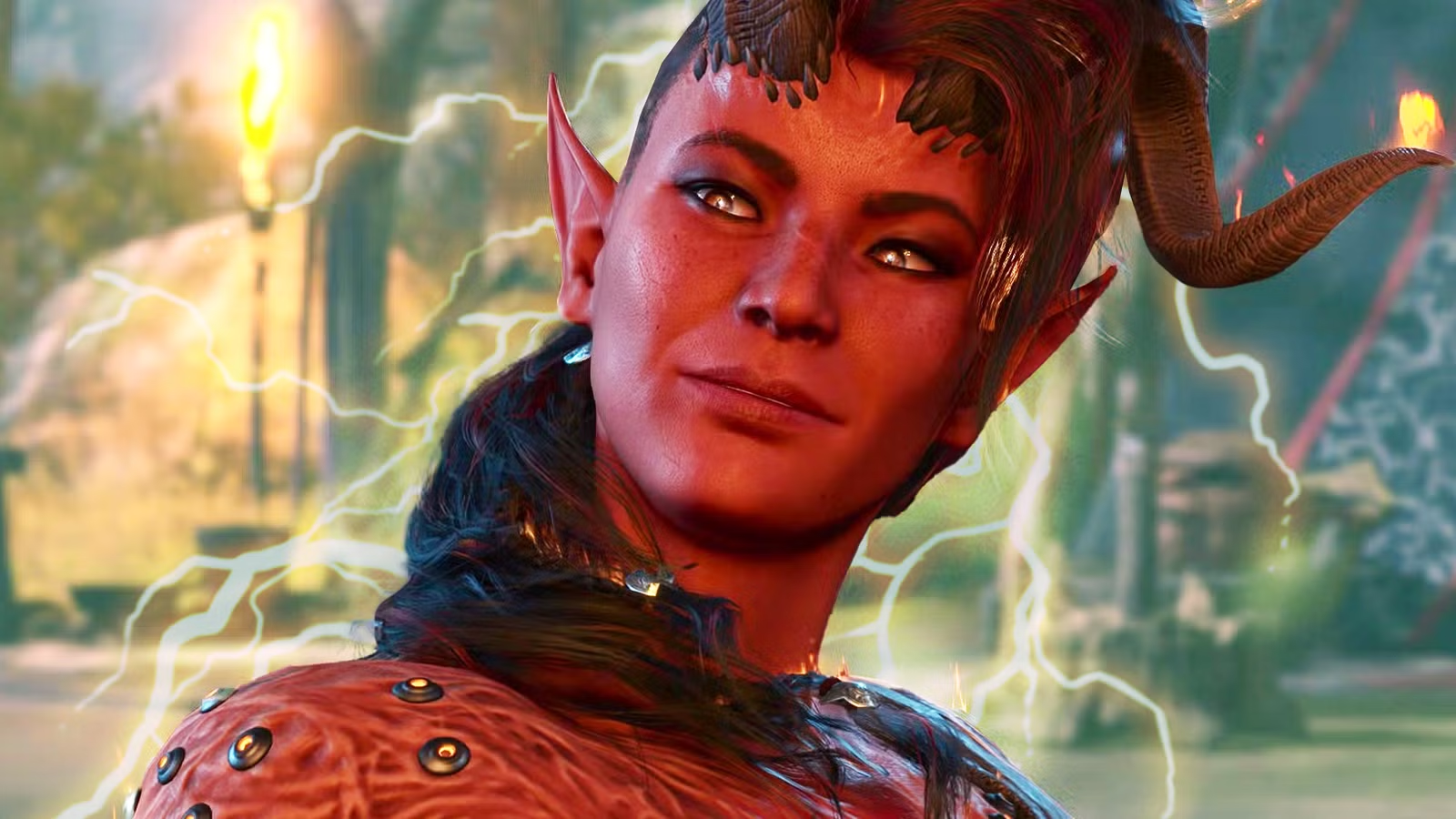
Baldur’s Gate 3 did more than revive one of the most influential names in role playing games. Larian Studios delivered a release that won the 2023 Game of the Year award and collected more than 200 Game of the Year honors, establishing a creative and technical standard that Hasbro is now struggling to follow. According to a new PC Gamer interview, even veteran designer James Ohlen declined the opportunity to lead Baldur’s Gate 4 after Larian decided to leave the series behind.
Ohlen served as co lead designer on Baldur’s Gate 2 and later led Archetype Entertainment, the Wizards of the Coast subsidiary developing Exodus. He revealed that Hasbro CEO Chris Cocks contacted him after it became clear that Larian would not continue with Baldur’s Gate 4. Ohlen’s response was direct. He believed he would fail to reproduce what Larian had achieved and did not want to place his team in direct competition with one of the most acclaimed role playing games ever released. Hasbro officially continues to list Cocks as its Chief Executive Officer.
“I wouldn’t want to compete against that. That would be insanity.”
— James Ohlen
The problem was not simply the pressure created by player expectations. Baldur’s Gate 3 was built using Larian’s proprietary technology, supported by tools, production systems, and institutional knowledge developed across Divinity: Original Sin, Divinity: Original Sin 2, and the long production cycle of Baldur’s Gate 3. A different studio would either need to construct comparable technology from the beginning or attempt to license Larian’s engine and adapt it around an entirely new development team.
Ohlen said starting from nothing could involve “at least half a decade of horror” while developers created the necessary tools and systems. He reportedly asked whether Hasbro could arrange an engine licensing agreement with Larian, similar to how BioWare’s Infinity Engine was licensed during the earlier era of computer role playing games. Even with the engine, however, Ohlen believed the project would remain extremely difficult because the technology alone would not replicate Larian’s experienced team, development culture, or understanding of its systems.
Larian had briefly started its own version of Baldur’s Gate 4 following the success of the third game. The project reached a partially playable state, but studio founder Swen Vincke ultimately concluded that continuing would require the team to spend several more years repeating a development process it had only just completed. Larian instead chose to return to an intellectual property it owns, allowing the studio to maintain greater creative control over its future.
That decision led to Divinity, Larian’s next major role playing game and what the developer describes as its largest and most ambitious project so far. The game is currently in full production and will use an updated version of Larian’s engine, a new turn based rule system, deeper consequences for player choices, and expanded character relationships. The studio intends to push player agency beyond what it achieved in Baldur’s Gate 3, although no release date has been announced.
Ohlen believes the studio that eventually accepts Baldur’s Gate 4 may need to avoid directly copying Larian and instead approach the series with a completely different creative vision. He compared that challenge to the original development culture surrounding Baldur’s Gate, when BioWare was still inexperienced enough to question existing conventions and attempt ideas that established studios might have rejected. In his view, the next team will need similar confidence and ambition rather than trying to recreate Baldur’s Gate 3 feature by feature.
The situation also reflects the broader challenge facing Wizards of the Coast as it attempts to expand its Dungeons and Dragons gaming portfolio, the company’s decision to cancel its Dungeons and Dragons project with Giant Skull, add another uncertainty to a gaming strategy that must now operate under the enormous expectations created by Baldur’s Gate 3.
The future of Baldur’s Gate 4 remains unknown, and Hasbro has not announced which developer will take responsibility for the sequel. Separate reports claim that remakes of the first 2 Baldur’s Gate games may be in development, with original Baldur’s Gate 2 co lead designer Kevin Martens reportedly involved. These projects have not been formally announced by Wizards of the Coast, so their scope, developer, platforms, and release schedule remain unconfirmed.
In the meantime, Baldur’s Gate 3 continues to receive substantial support from its player community. Custom campaigns such as The Grand Theater demonstrate how modders are extending Larian’s game with new quests, dialogue, locations, and narrative concepts even after the studio has moved toward its next project.
James Ohlen’s refusal demonstrates that Baldur’s Gate 3 has become both the franchise’s greatest success and its largest development obstacle. Hasbro cannot simply commission a visually improved continuation and expect the name to carry it. Players will compare every conversation, companion, quest outcome, combat encounter, and environmental interaction with a game developed through years of iteration and supported by technology built specifically for systemic role playing.
The smartest direction may be to avoid treating Baldur’s Gate 4 as Baldur’s Gate 3 with more content. A new developer needs a distinct identity, a strong technical foundation, and enough creative authority to challenge expectations rather than imitate Larian. Without those conditions, the franchise risks producing a sequel that may be commercially successful but permanently judged as a lesser version of its predecessor.
Should Baldur’s Gate 4 attempt to expand Larian’s design formula, or should a new developer completely reinvent the series?
