
ASUS Signals Sharp PC Price Increases as Memory Shortages Finally Burn Through Vendor Stockpiles
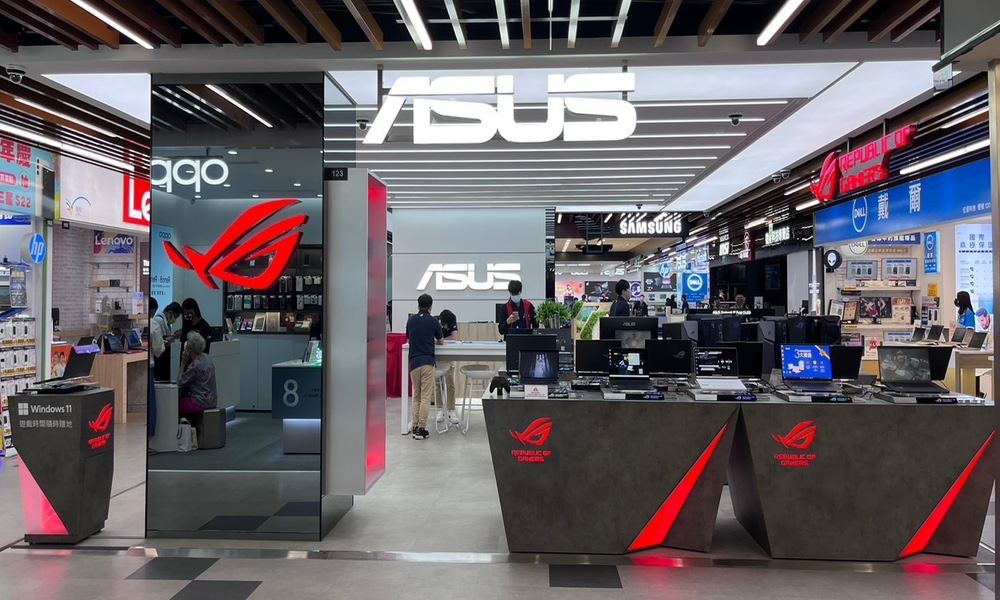
ASUS is preparing for a significant round of PC price increases, and this time the warning is coming with numbers large enough to get the broader market’s attention. According to a report from Taiwan Economic Daily, ASUS expects consumer PC prices in Taiwan to rise by as much as 25% to 30% in the second quarter of 2026 as memory shortages and wider component cost pressure intensify. Taiwan’s Central News Agency separately reported that ASUS expects Taiwan PC prices to rise 25% to 30% sequentially in Q2 because of higher component costs, especially memory.
What makes this especially important is that it suggests vendors are no longer able to shield consumers using previously accumulated DRAM inventory. TrendForce said in February that PC DRAM prices in the first quarter of 2026 were projected to jump by more than 100% quarter over quarter, with even tier 1 OEMs seeing inventories fall despite having supply allocations secured. In other words, the buffer stock that helped brands delay price adjustments is now thinning out fast.
The memory side is only part of the problem. TrendForce also reported late last month that the memory crunch was already setting up a wider March price wave, with DDR4 and DDR5 PC memory rising 105% to 110% in the first quarter, while SSD pricing was also climbing sharply. The same research firm said DRAM makers continue prioritizing server and HBM output for AI demand, which has constrained conventional DRAM supply and pushed contract prices sharply higher in consumer facing categories. That means PC makers are being squeezed not only by DRAM, but by a broader bill of materials shock hitting multiple core components at once.
This is where the ASUS story becomes bigger than a single regional pricing update. The likely reason Taiwan is seeing the first clear signal is that it sits closest to the supply chain pressure and often reflects market movement earlier than other consumer regions. TrendForce’s follow up coverage on March 24 said ASUS was reportedly warning of 25% to 30% PC price increases in Q2 with the possibility of further increases in Q3 as CPU and memory costs continue rising. That does not officially confirm the same scale of increases everywhere else yet, but it strongly suggests the Taiwan market is being used as an early indicator rather than an isolated exception.
The wider memory market backdrop supports that interpretation. Recent reporting says Micron still sees demand running well above available supply for the foreseeable future, while SK Group Chairman Chey Tae won warned that the memory shortage could continue until 2030 because wafer supply is still more than 20% short of demand and building enough new capacity could take 4 to 5 years. If those projections hold, then the current PC price pressure is not just a short term spike. It could mark the beginning of a much longer structural repricing period for mainstream consumer hardware.
For gamers and mainstream PC buyers, the uncomfortable takeaway is that the era of vendors quietly absorbing memory costs may be ending. ASUS appears to be moving first with a major warning in Taiwan, but the same supply chain dynamics are affecting the entire industry. If DRAM, SSD, CPU, and GPU costs continue rising together while AI infrastructure keeps attracting the bulk of premium memory capacity, then entry level and budget PCs are going to face even more pressure in the months ahead. That is not great news for a market that was already struggling to keep systems affordable.
Do you think this is a temporary pricing shock that vendors can manage, or are we now watching the start of a much more expensive era for gaming and consumer PCs?
