
ASUS ROG Rapture GT BN98 Pro Brings WiFi 8 to Canada Ahead of October Global Rollout
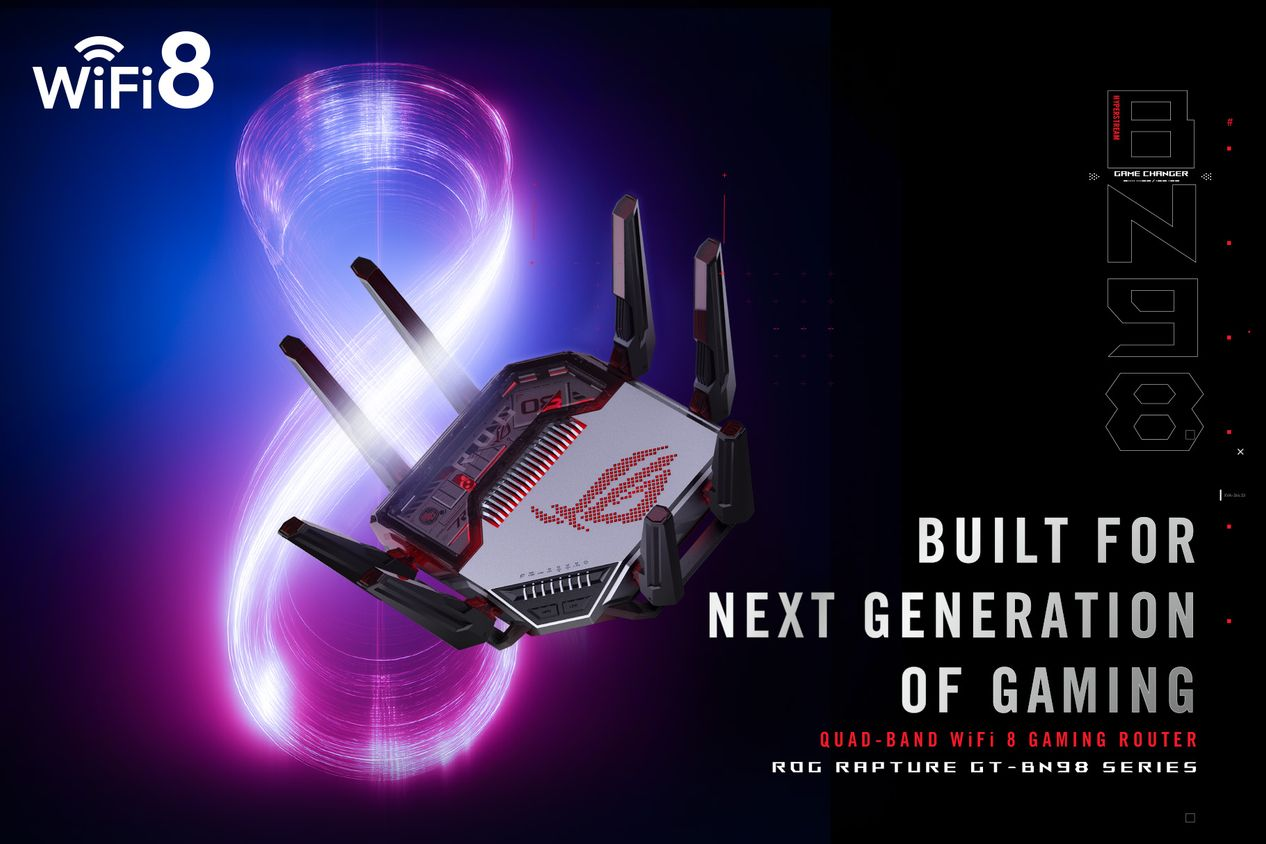
ASUS has begun the retail rollout of its first WiFi 8 gaming router, bringing the ROG Rapture GT BN98 Pro to Canada ahead of a wider global launch scheduled for October 2026. The flagship router is based on the draft IEEE 802.11bn specification and reaches up to 30,000 Mbps of combined wireless throughput, making Canada the first market where ASUS says consumers can purchase its next generation WiFi platform through retail channels.
The ROG Rapture GT BN98 Pro is listed in Canada at CA$1,299.99. ASUS says the GT BN98 family consists of the GT BN98 Pro rated at BN30000 and the standard GT BN98 rated at BN25000, although the company specifically notes that only the Pro model is currently available in Canada. ASUS Canada currently shows the Pro through its online store, while the broader retail rollout has already begun according to the company's official announcement.
| Specification | ROG Rapture GT BN98 Pro |
|---|---|
| WiFi Standard | WiFi 8, IEEE 802.11bn Draft |
| Wireless Class | BN30000 |
| Bands | Quad band |
| Maximum Combined Throughput | 30,000 Mbps |
| Processor | 2.6 GHz quad core |
| Memory | 2 GB RAM |
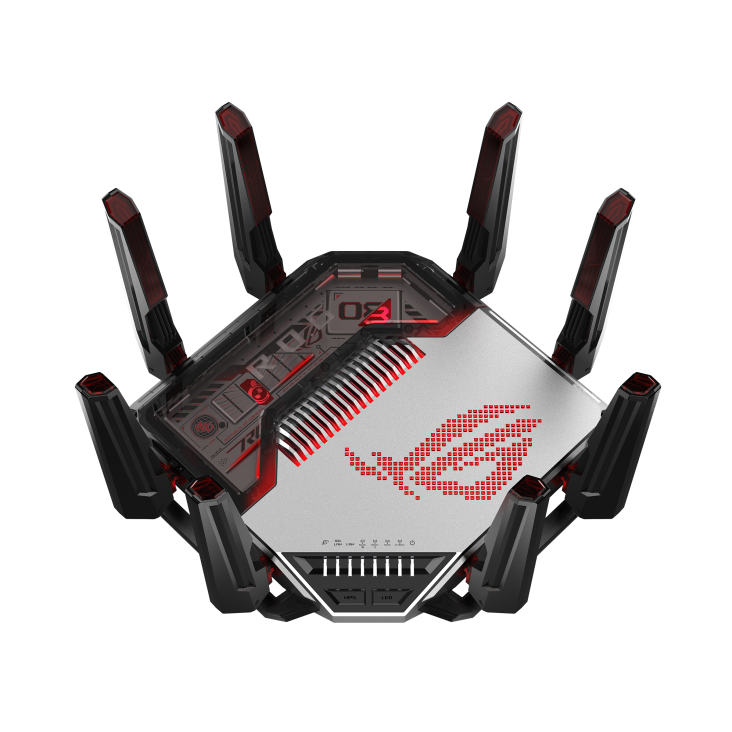
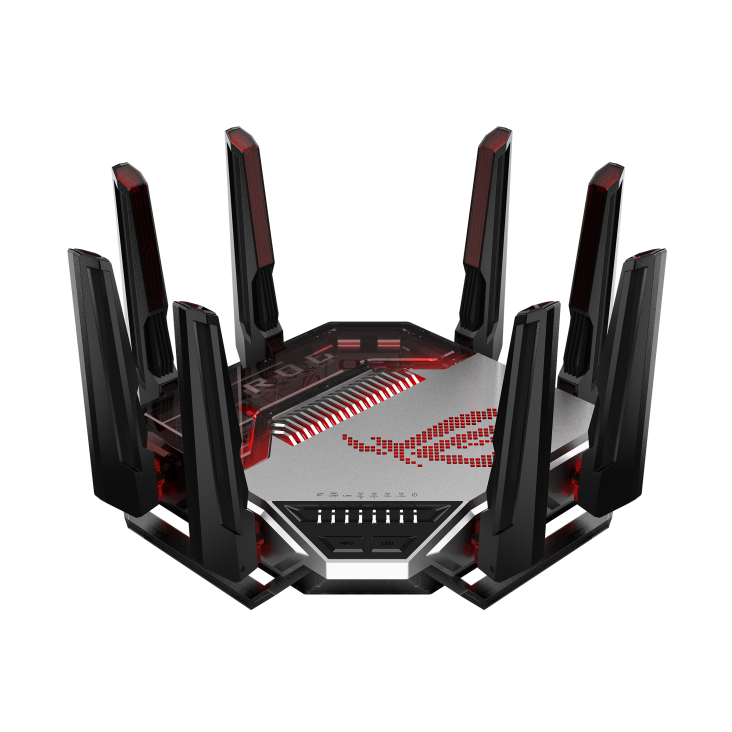
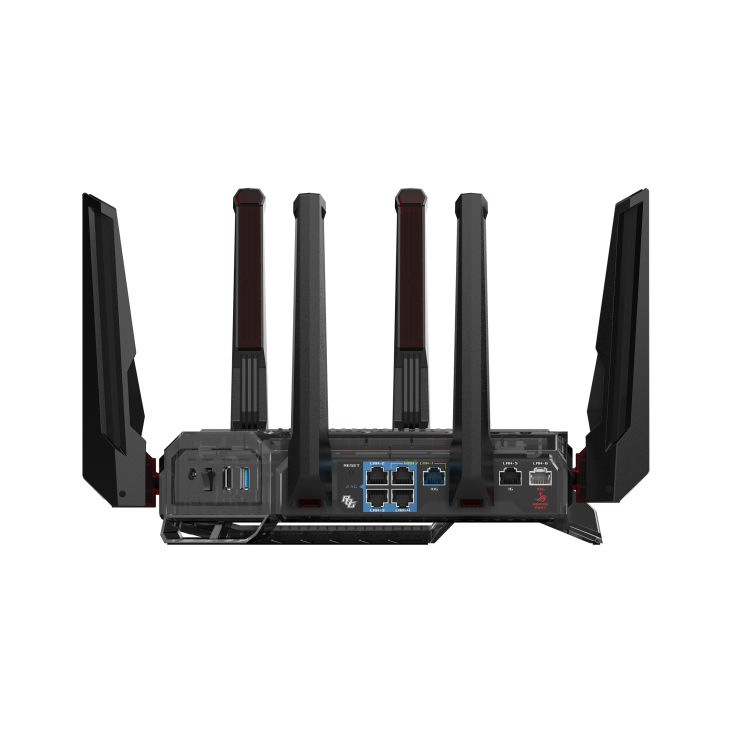
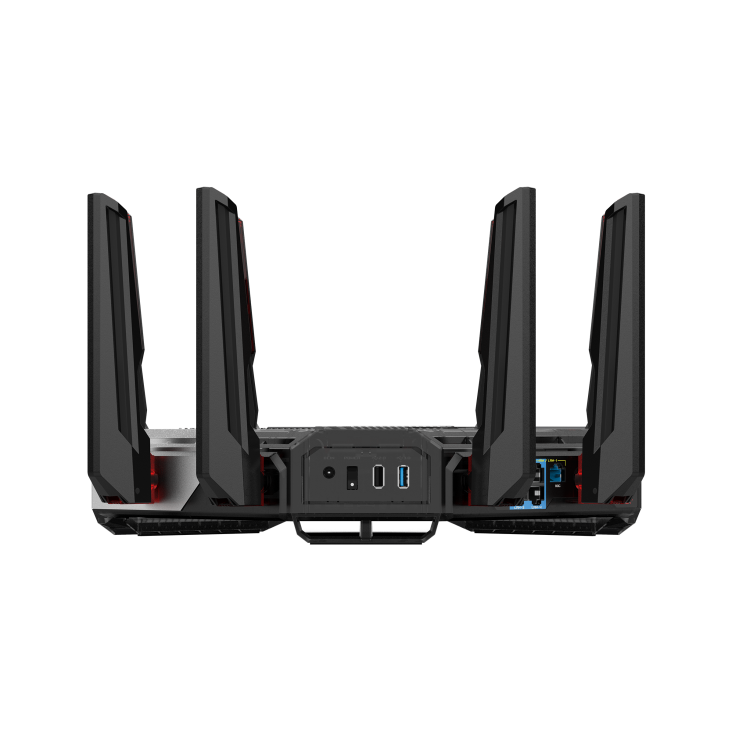
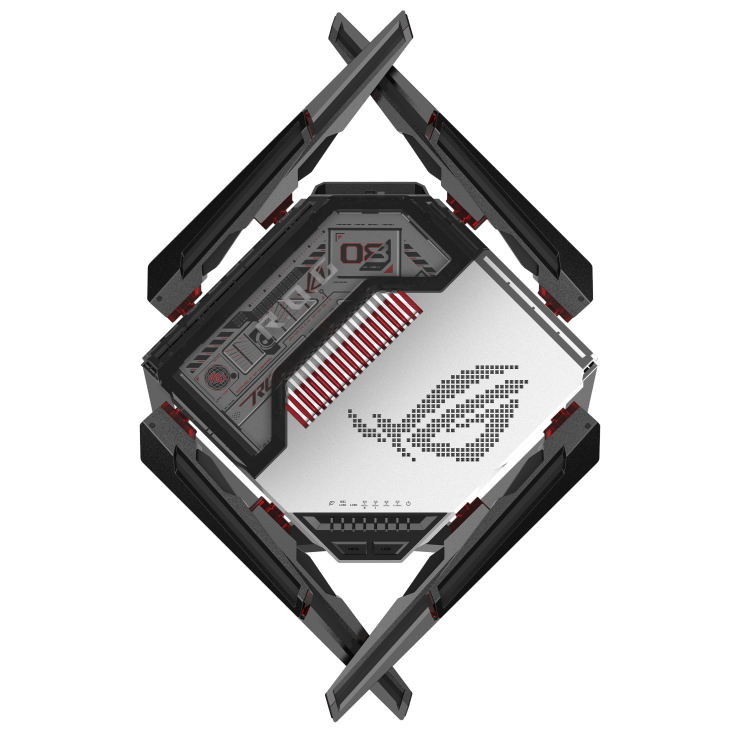
| Antenna Architecture | 16 internal paths through 8 external antennas |
| Wired Networking | 2 x 10 Gbps, 4 x 2.5 Gbps |
| Maximum Channel Width | 320 MHz |
| Modulation | 4096 QAM |
| Canadian Price | CA$1,299.99 |
WiFi 8 is not primarily designed around another dramatic increase in headline bandwidth. Instead, ASUS is emphasizing reliability, latency, coverage, and consistent performance in congested environments. Technologies including Unequal Modulation and Non Primary Channel Access are designed to maintain stronger connections and reduce interference when compatible WiFi 8 client devices become available. ASUS also says its internal testing has shown measurable improvements when the GT BN98 is paired with existing WiFi 7 devices, although the full feature set will require WiFi 8 hardware at both ends of the connection.
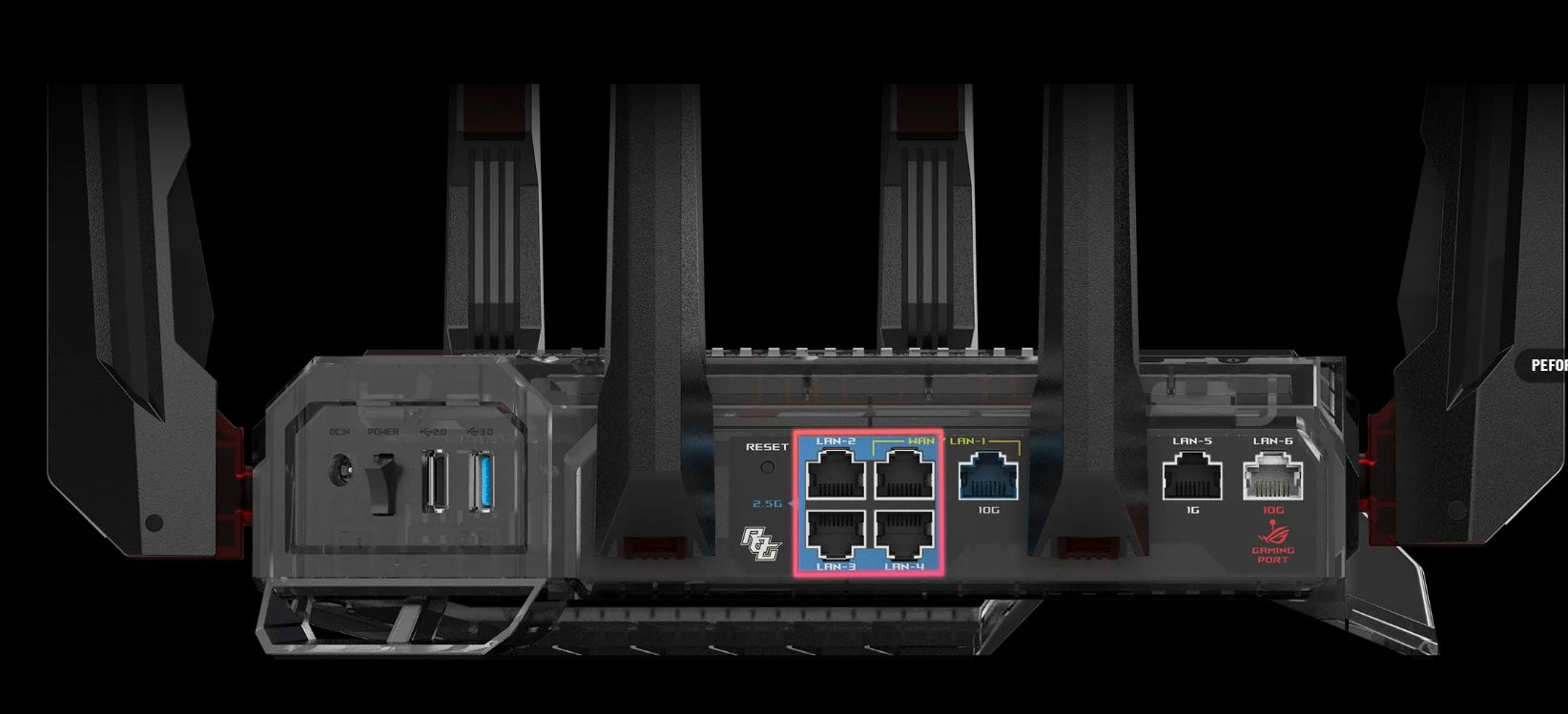
For gaming networks, the GT BN98 Pro combines its new wireless architecture with dual 10 Gbps connectivity, 4 additional 2.5 Gbps ports, Triple Level Game Acceleration, Adaptive QoE, WiFi Insight, AiMesh, Guest Network Pro, and ASUS AiProtection. The router uses a 2.6 GHz quad core processor with 2 GB of RAM to manage high traffic environments and multiple connected devices, while its 8 external antennas are connected to a 16 antenna architecture designed to improve coverage and signal consistency.
ASUS is also preparing the ZenWiFi BN12 for October, positioning it as its first dedicated WiFi 8 mesh platform. The tri band system provides 12 streams, dual 10 Gbps ports, AiMesh support, and coverage reaching 7,000 square feet with its 2x LDPC wall penetration technology. The GT BN98 series will expand worldwide during the same month, while ASUS says specific United States availability details will be announced separately.
An important consideration is that IEEE 802.11bn remains a draft specification. ASUS is therefore entering the market before WiFi 8 client devices become widely available and before the standard reaches its final form. The immediate appeal is consequently aimed at networking enthusiasts, high bandwidth households, and gamers building premium multi gigabit networks, with the more significant WiFi 8 benefits expected as compatible devices begin reaching the market.
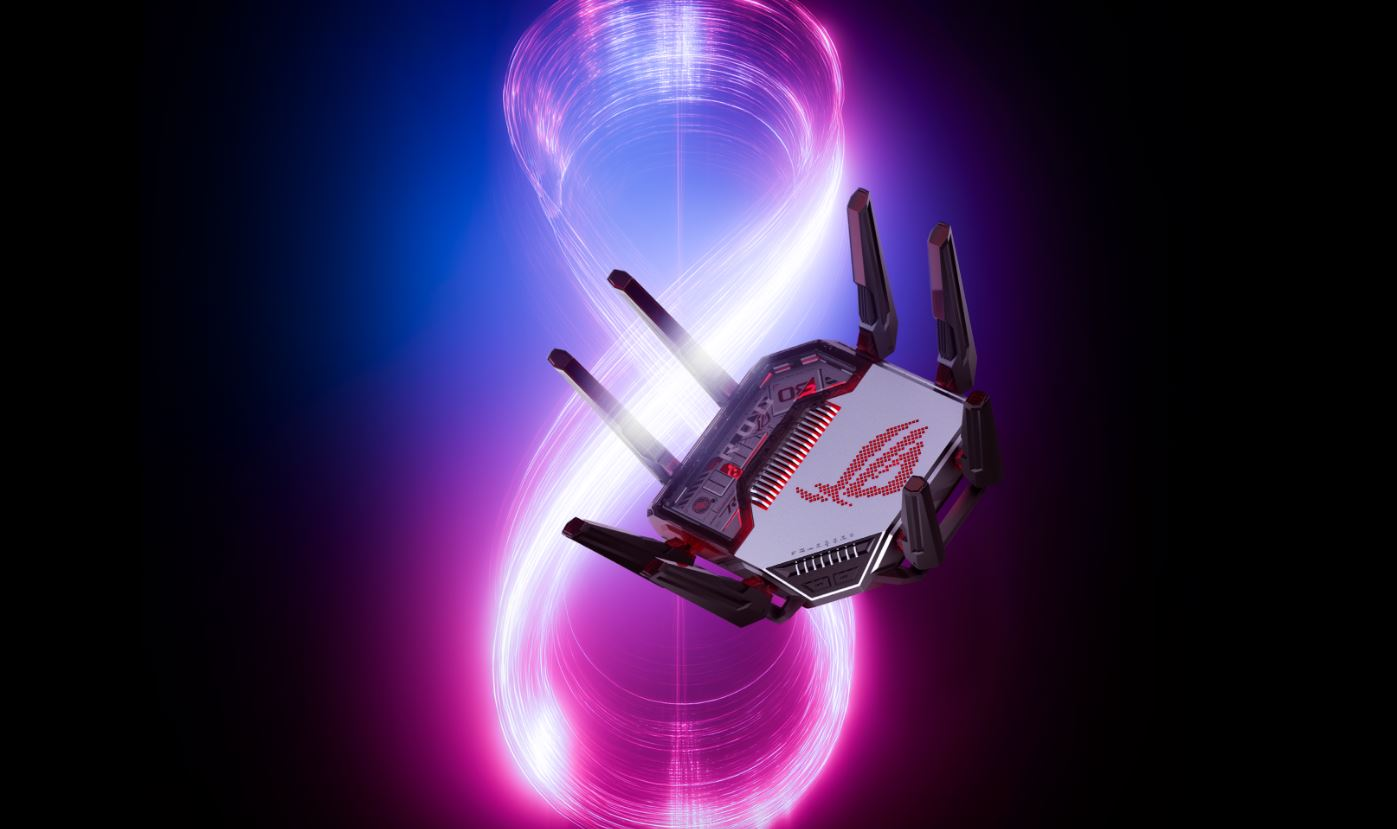
ASUS is getting unusually early hardware into consumers' hands, but WiFi 8 should not be viewed simply as WiFi 7 with a larger speed number. The GT BN98 Pro's more interesting promise is consistent performance when several devices, access points, and competing networks are fighting for airtime.
At CA$1,299.99, this is clearly enthusiast hardware rather than a mainstream router upgrade. Dual 10 Gbps networking and 30,000 Mbps of combined wireless capacity already give it considerable headroom, but early buyers are effectively investing in the WiFi 8 ecosystem before client hardware can fully exploit it. The technology becomes much more compelling once laptops, smartphones, gaming systems, and other devices begin supporting 802.11bn natively.
Would you invest in a WiFi 8 router this early, or would you wait until WiFi 8 laptops, phones, and gaming devices become widely available?
