
ASUS Enters Intel Arc Market With 32 GB Arc Pro B70 for Local AI
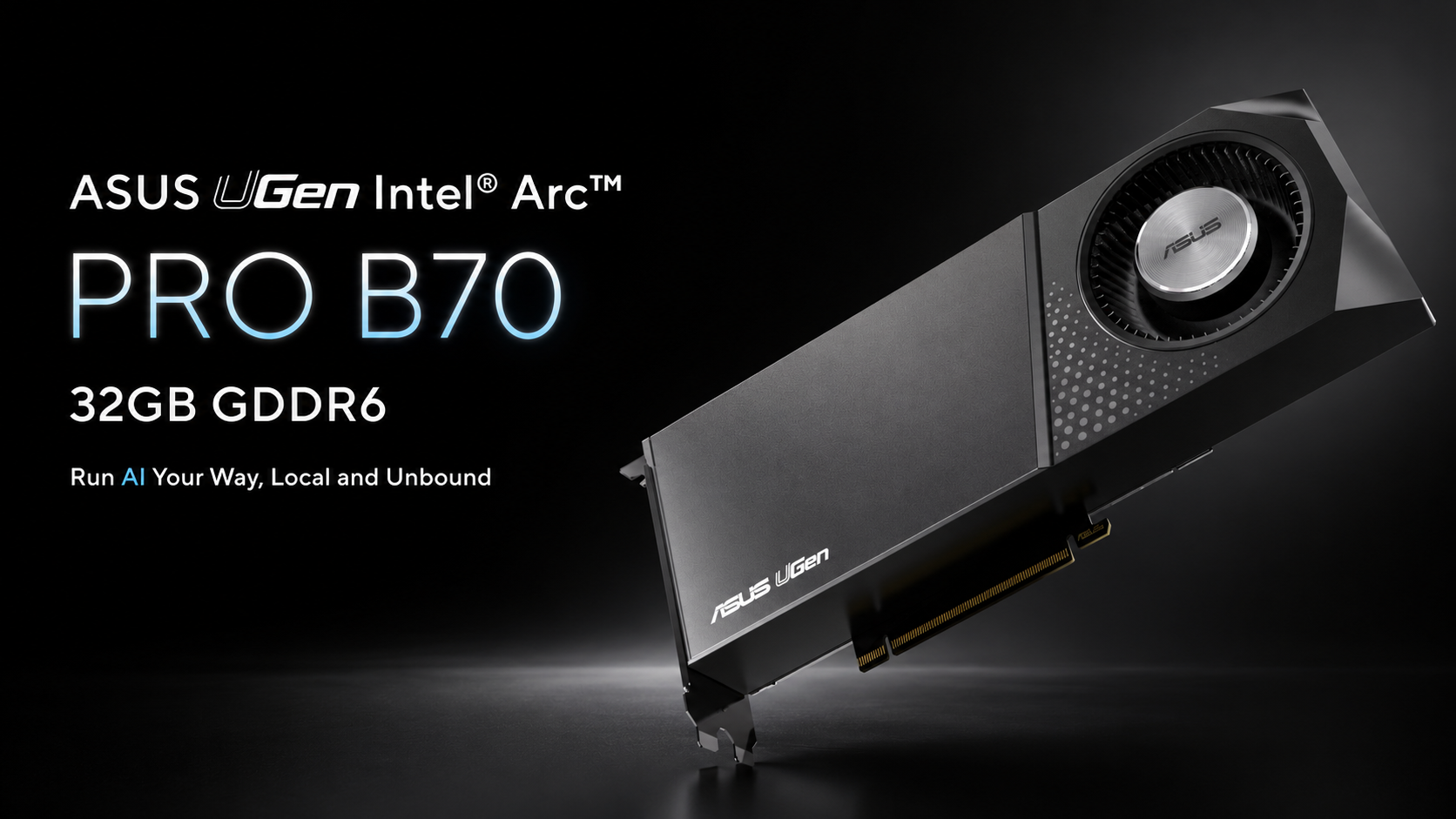
ASUS has introduced its first Intel Arc branded graphics card, the UGen Intel Arc Pro B70 32GB GDDR6, marking its entry into Intel's professional Battlemage GPU ecosystem. Rather than targeting gaming enthusiasts with its ROG or TUF Gaming brands, ASUS has chosen to focus on AI inference and workstation applications, equipping the new card with 32 GB of ECC GDDR6 memory and a cooling design optimized for multiple GPU configurations.
According to ASUS's official product listing, the card uses Intel's full BMG G31 GPU based on the Xe2 architecture, featuring 32 Xe cores, 256 XMX AI engines, and a maximum dynamic clock of 2800 MHz. It delivers a theoretical 22.94 TFLOPS of FP32 performance and up to 367 TOPS of INT8 AI compute. Its 32 GB memory operates across a 256 bit interface, providing 608 GB/s of bandwidth.
ASUS UGen Arc Pro B70 Specifications
| Specification | Details |
|---|---|
| GPU | Intel BMG G31, Xe2 |
| Xe Cores | 32 |
| XMX AI Engines | 256 |
| Maximum GPU Clock | 2,800 MHz |
| Memory | 32 GB GDDR6 with ECC |
| Memory Bandwidth | 608 GB/s |
| Memory Interface | 256 bit |
| FP32 Performance | 22.94 TFLOPS |
| Peak INT8 Performance | 367 TOPS |
| Total Board Power | 310 W |
| Intel Reference Board Power | 230 W |
| Power Connector | 1 × 12V 2x6 |
| Cooling | Dual slot blower |
| Interface | PCIe 5.0 x16 |
| Display Outputs | 3 DisplayPort 2.1, 1 HDMI 2.1b |
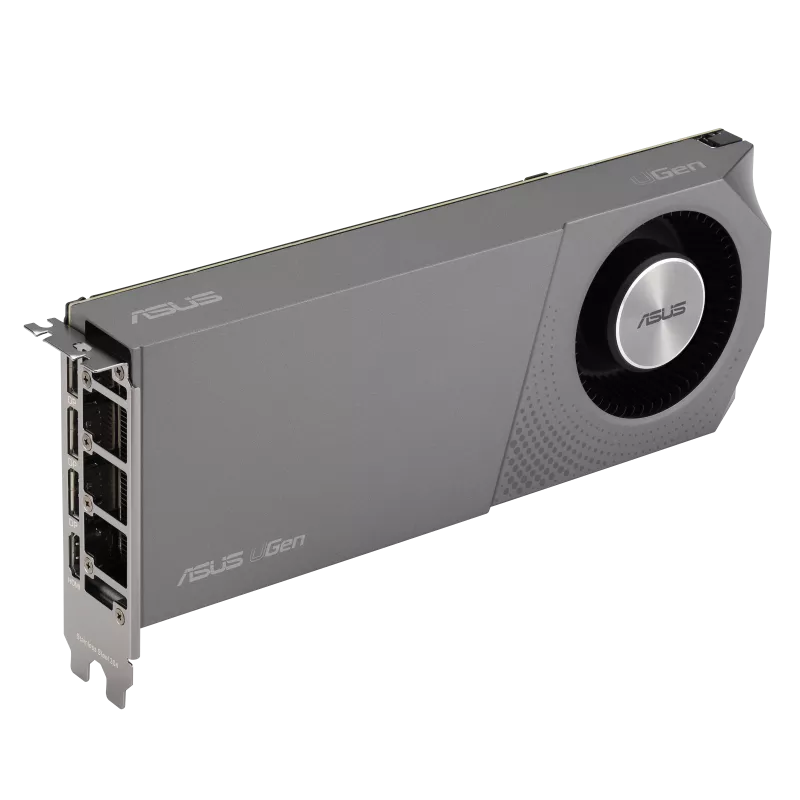
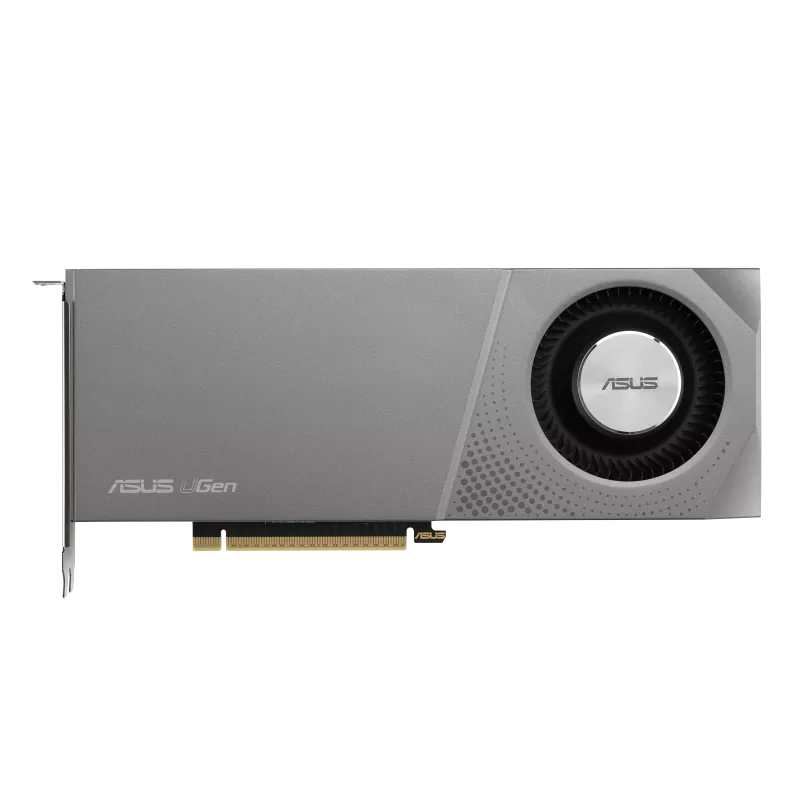
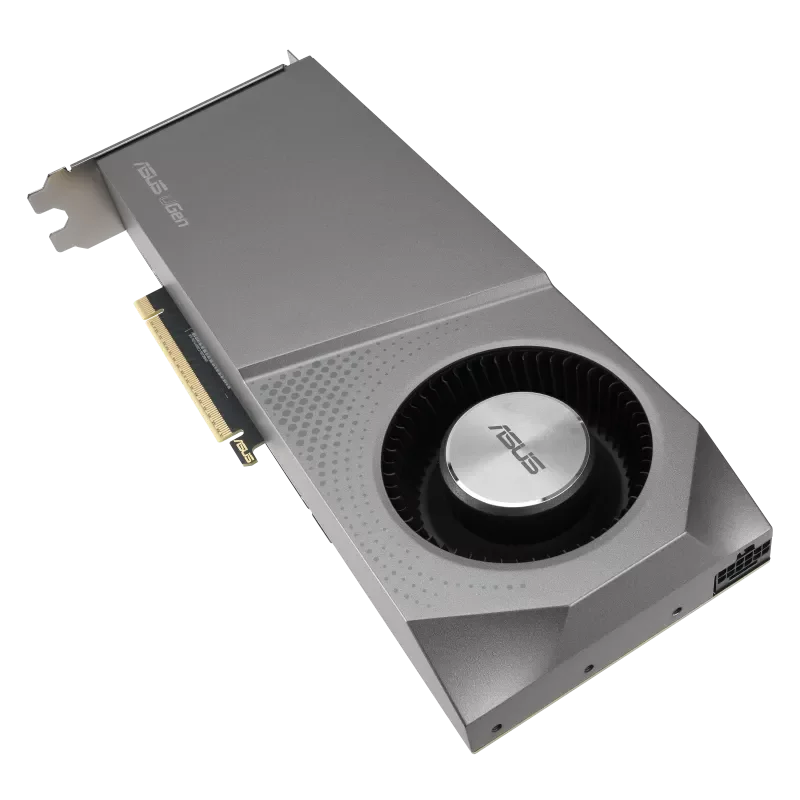
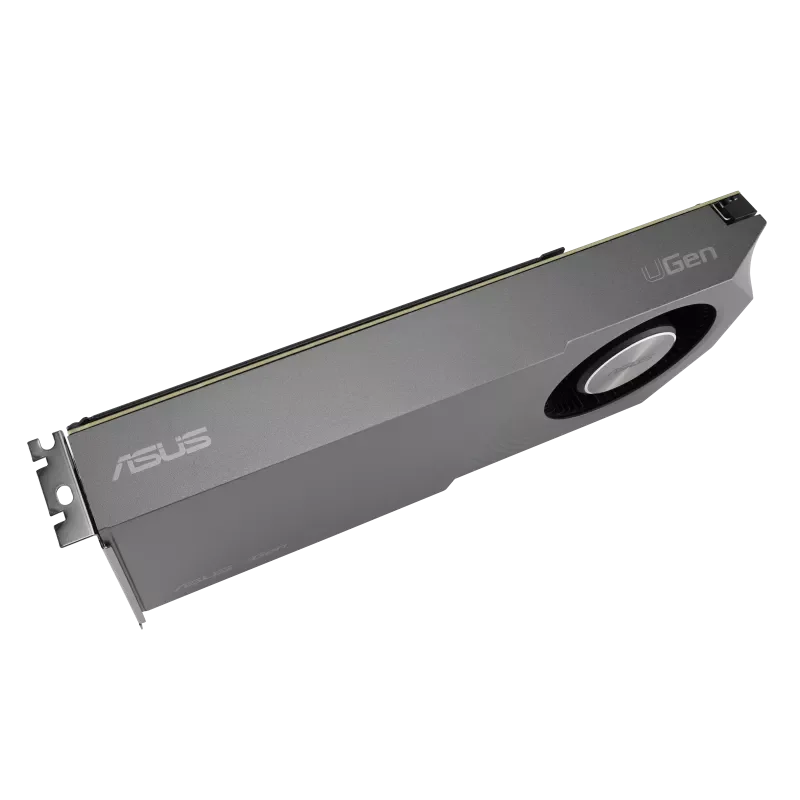
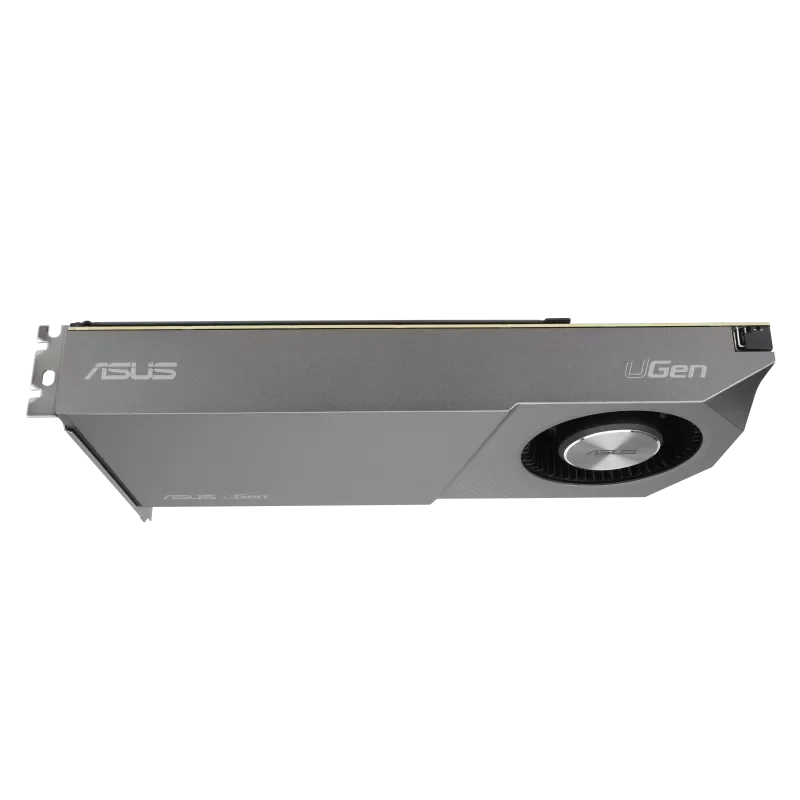
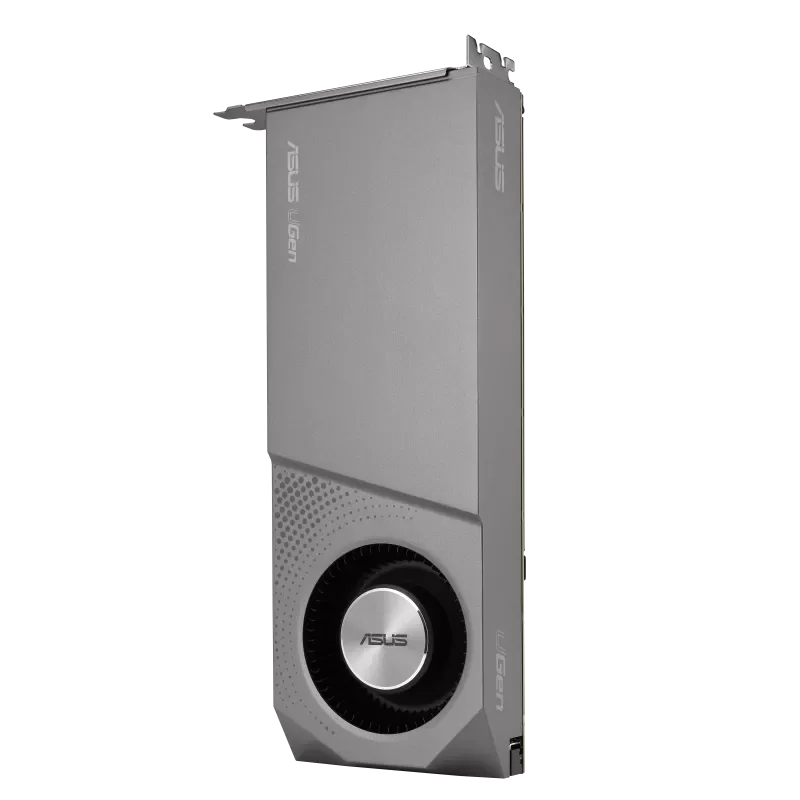
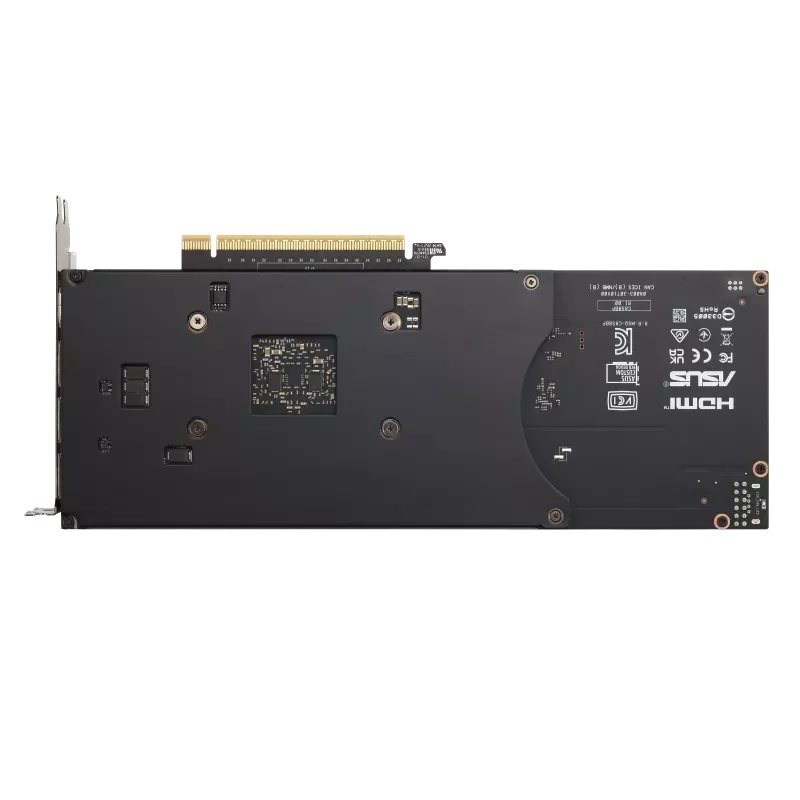
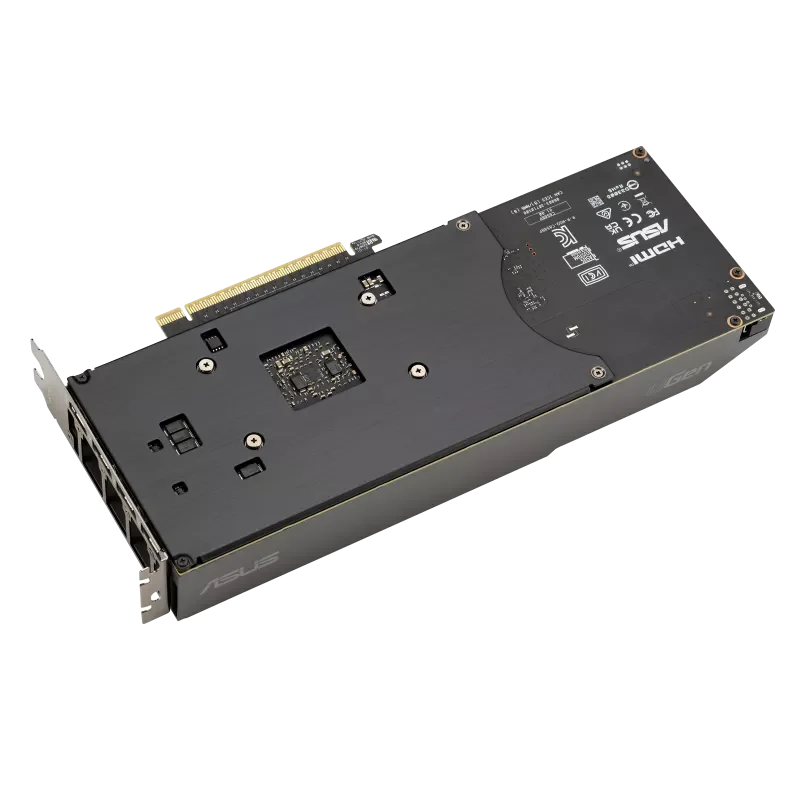
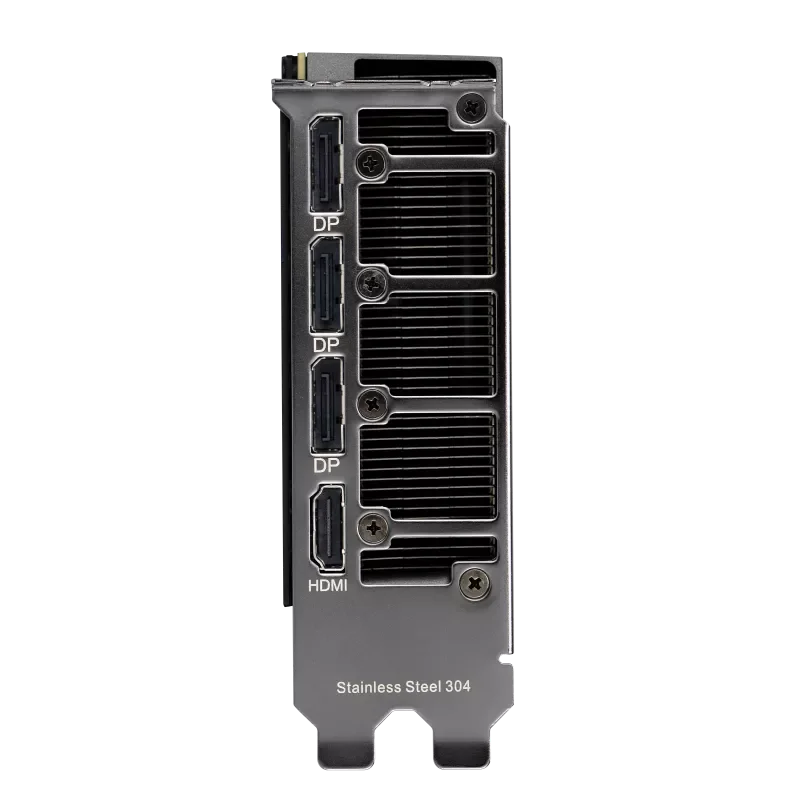
One notable difference is power consumption. ASUS specifies a 310 W total board power, approximately 80 W higher than Intel's 230 W reference configuration. Although the additional power budget could provide greater flexibility under sustained workloads, ASUS has not published independent comparisons demonstrating higher performance or clock stability.
The dual slot blower design is intended for dense workstation installations, allowing up to 4 GPUs to operate within a single system. Such a configuration provides 128 GB of combined VRAM, which ASUS claims can support AI models containing up to 120 billion parameters under suitable deployment conditions. However, memory remains distributed across individual GPUs and requires compatible software to partition models and workloads effectively.
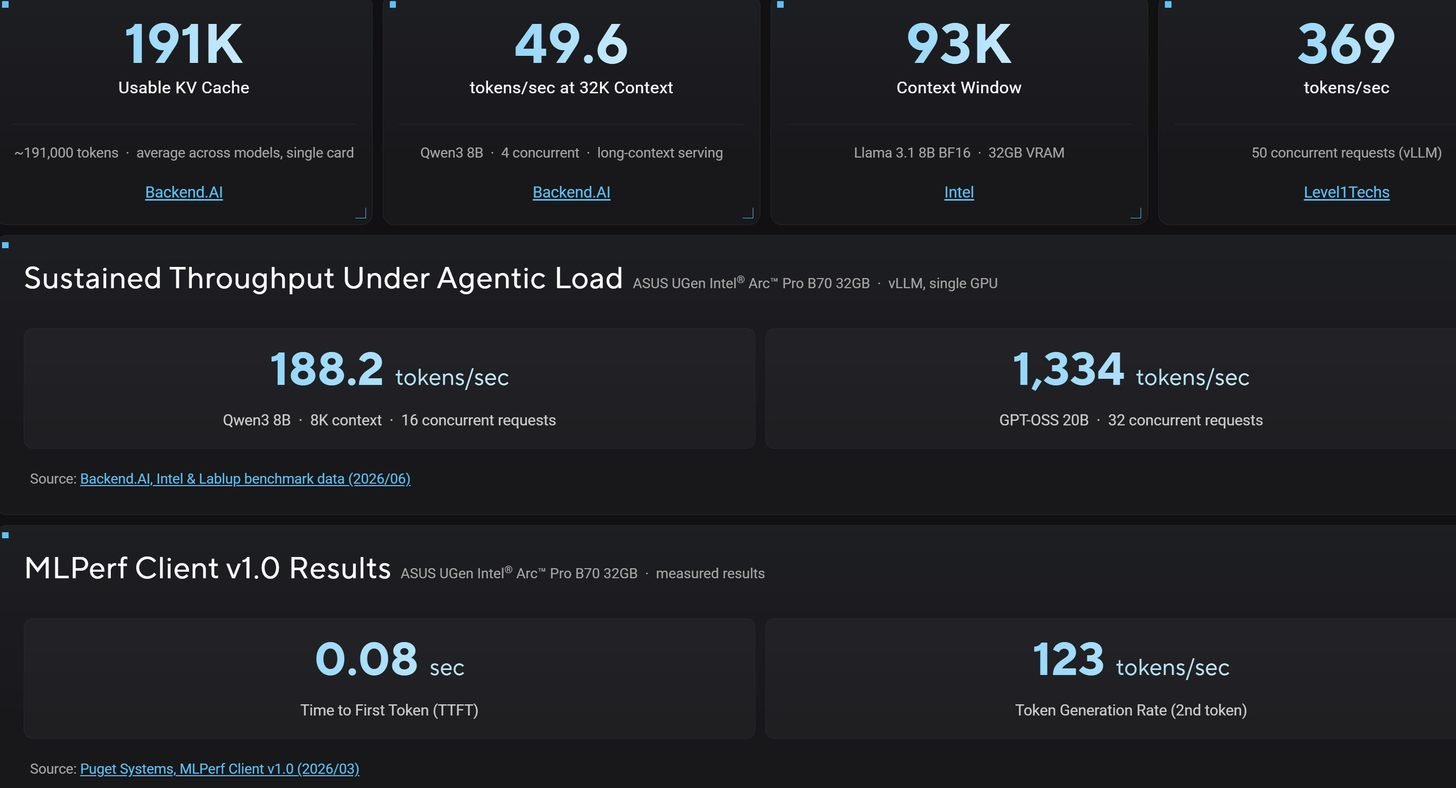
Software compatibility includes Intel oneAPI, OpenVINO, vLLM, Ollama, llama.cpp, and PyTorch through Intel Extension for PyTorch. ASUS also highlights compatibility with its Zenni Claw AI agent platform, positioning the GPU for private local inference, coding assistants, and enterprise automation. The manufacturer references third party inference benchmarks, although actual performance depends on model size, quantization, concurrency, and software configuration.
The announcement follows Intel's introduction of the Arc Pro B70 and B65, extending the availability of the larger Battlemage architecture through another major hardware manufacturer. ASUS previously offered an Intel Iris Xe DG1 graphics card in 2021 but did not introduce consumer Arc Alchemist or Battlemage models.
Pricing and retail availability for the UGen Arc Pro B70 remain unannounced. The company has also not confirmed plans to introduce Intel Arc gaming graphics cards under its existing consumer brands.
ASUS entering the Intel Arc ecosystem is significant, but its decision to launch a professional AI accelerator rather than a gaming GPU reflects where hardware manufacturers currently see opportunities for growth.
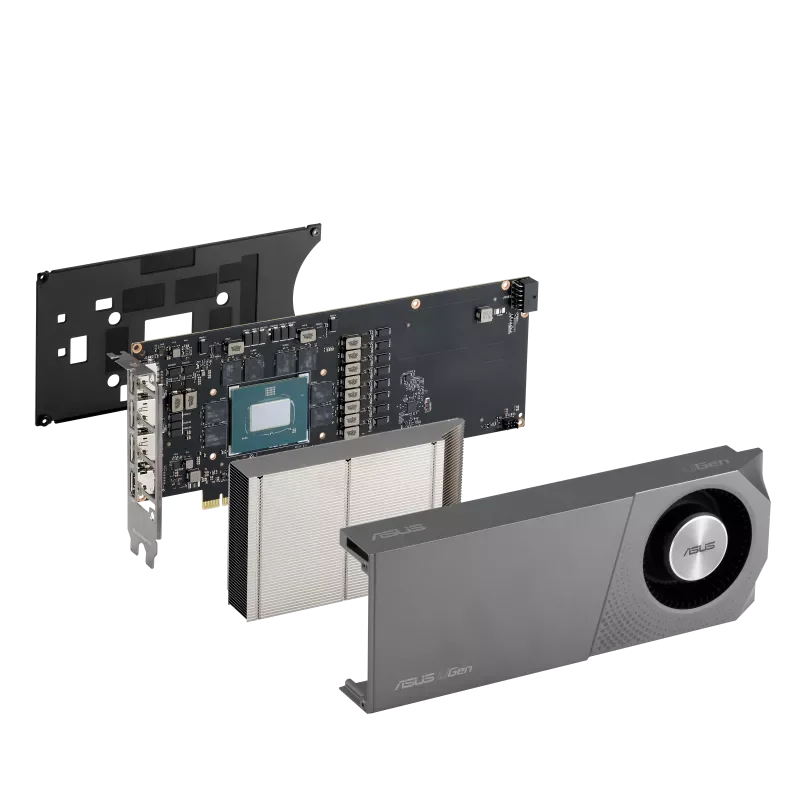
The Arc Pro B70's strongest advantage is its 32 GB memory capacity, which can accommodate larger local AI models than many mainstream graphics cards. ASUS's multi GPU approach also provides an alternative for developers who need additional memory without moving directly to enterprise accelerators.
However, the 310 W power rating deserves attention. Compared with Intel's reference design, the additional power budget could increase operating costs and thermal requirements, particularly in systems using multiple cards. Without independent testing, it remains unclear whether the higher limit delivers meaningful performance gains.
For gamers, ASUS's entry does not guarantee an upcoming Arc gaming lineup, but it does demonstrate growing manufacturer interest in Intel's discrete GPU technology.
Would you like ASUS to introduce an Intel Arc gaming GPU under its ROG or TUF Gaming brands, or do you think Intel should focus on professional AI accelerators?
