
ASUS Debuts 800 Series NEO Refresh Motherboards With Smarter PCIe Lane Layouts And New ROG Strix LC IV AIO Coolers
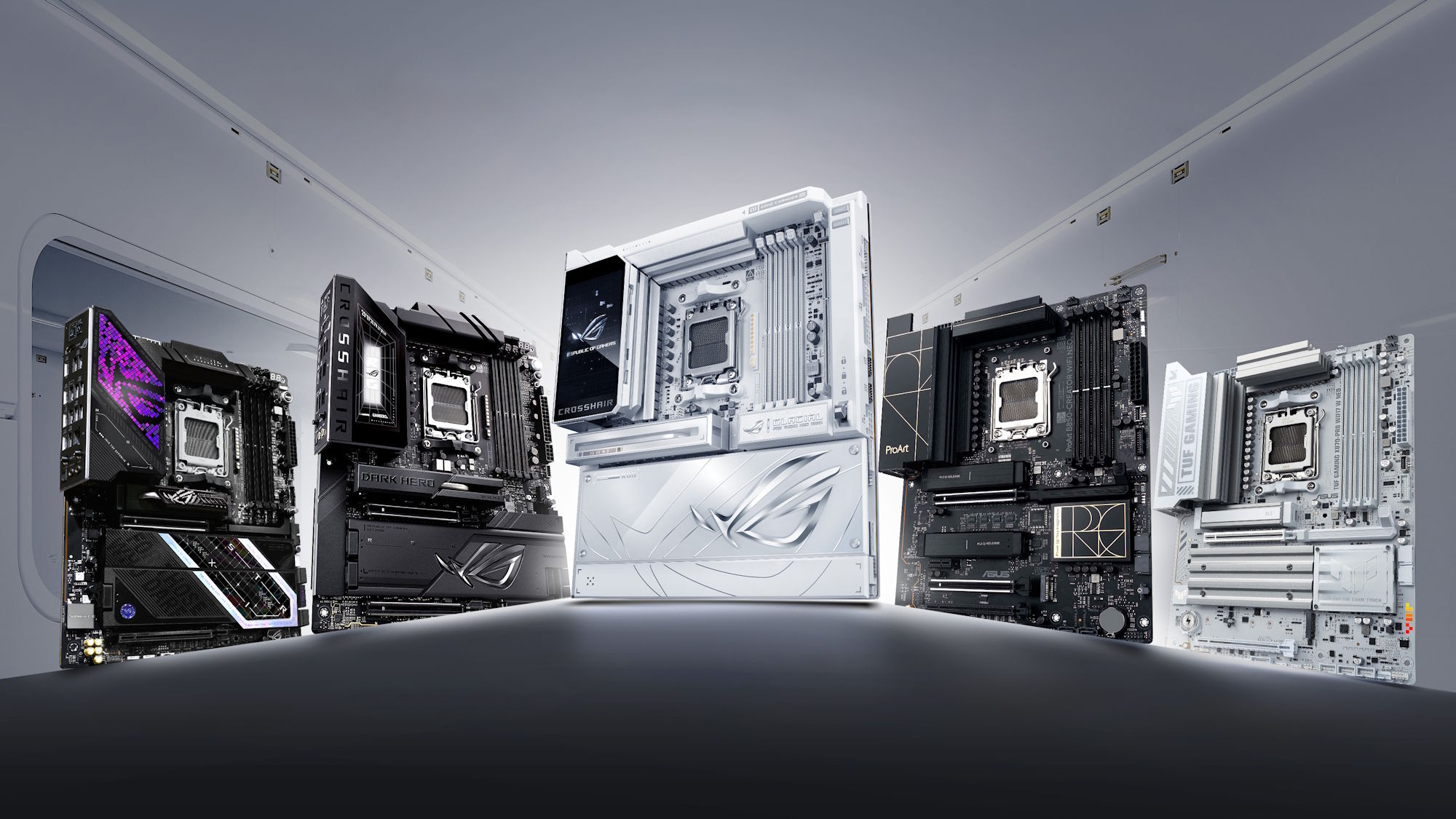
ASUS has unveiled its refreshed 800 series motherboard lineup branded as NEO, alongside additional non NEO models, with a clear focus on making high end builds cleaner, more upgrade friendly, and less compromised by real world PCIe lane sharing. ASUS previously teased the NEO concept in a short video, confirming the refresh would land across the ROG Crosshair, ROG Strix, ProArt, and TUF Gaming families, and CES 2026 is where the first wave is now being detailed for enthusiasts, creators, and professional builders who care about storage density, full bandwidth GPU operation, and streamlined cable management.
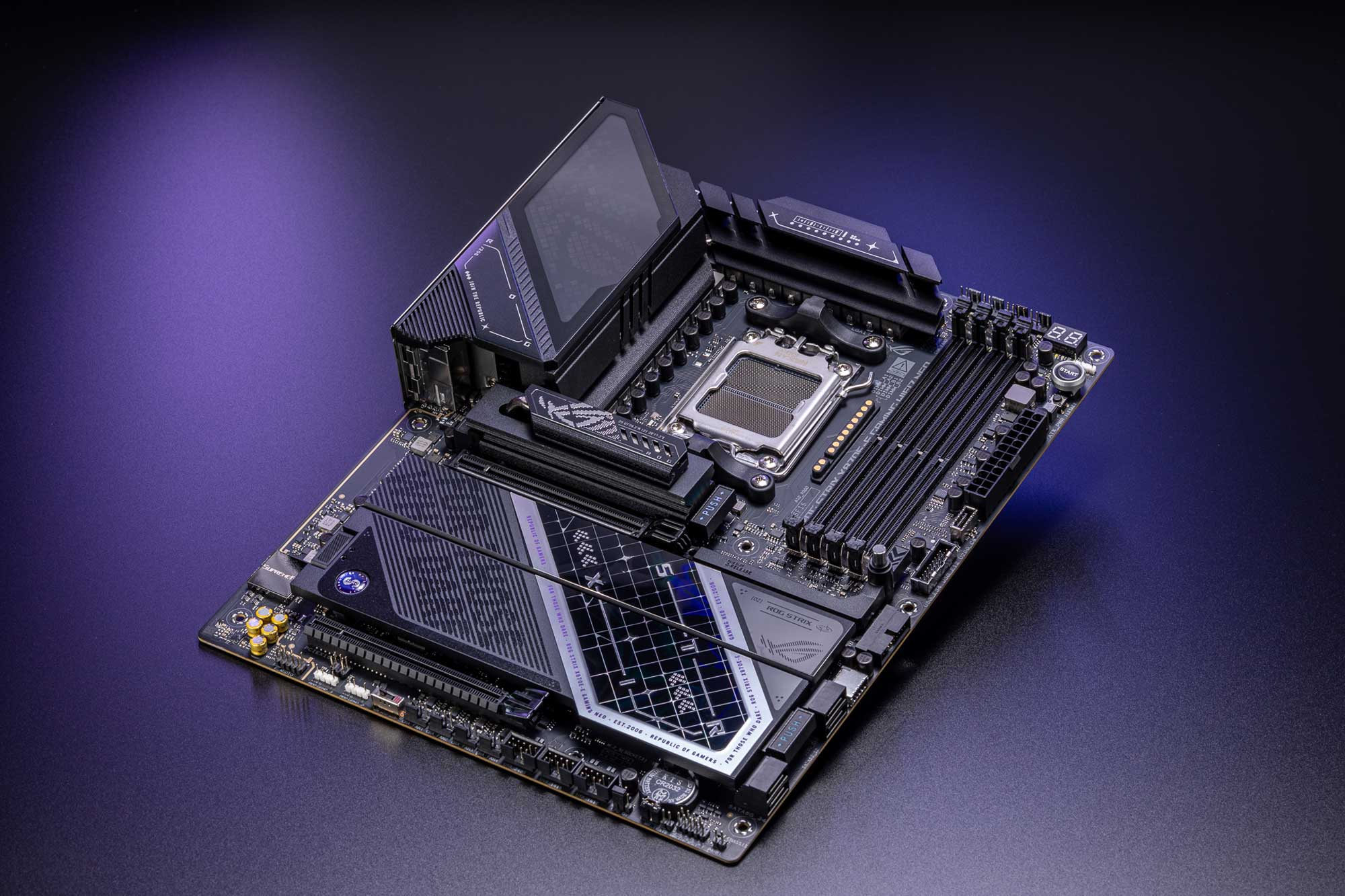
At the platform level, the NEO boards highlighted here use the AMD X870E chipset, but the real story is how ASUS is reworking lane layouts to reduce the classic tradeoffs that show up when users try to run multiple PCIe 5.0 M.2 SSDs alongside a GPU at full PCIe 5.0 x16. The new ROG Strix X870E E Gaming WiFi 7 NEO is designed so users can install 2 PCIe 5.0 M.2 SSDs and 3 PCIe 4.0 M.2 SSDs at the same time while keeping the GPU running at PCIe 5.0 x16 mode. ASUS explains this is enabled by allowing bandwidth sharing between the USB4 ports and the second M.2 slot, a practical approach that fits how many builders prioritize GPU bandwidth while still demanding a high storage count for modern game libraries, capture workflows, and creator scratch disks.
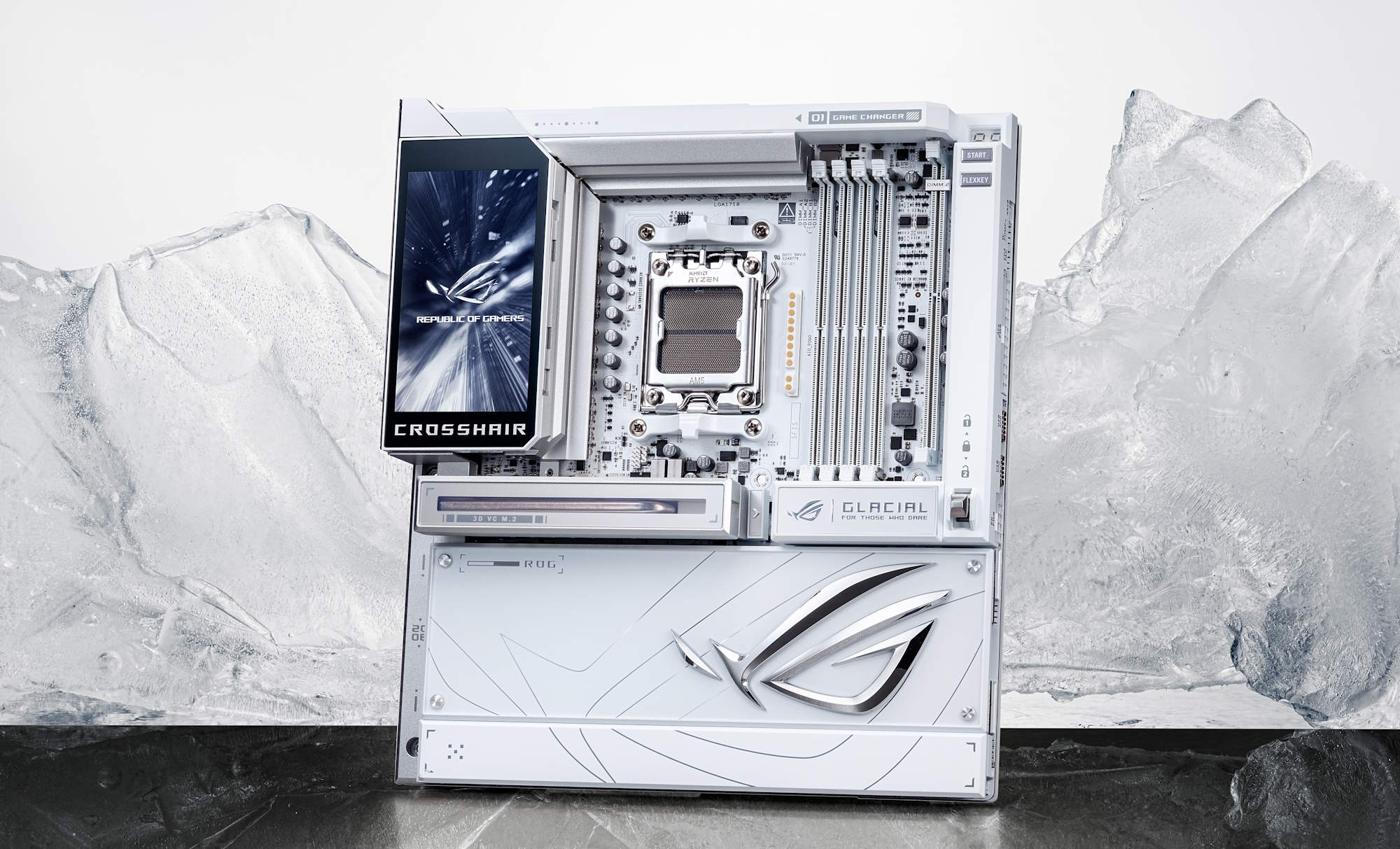
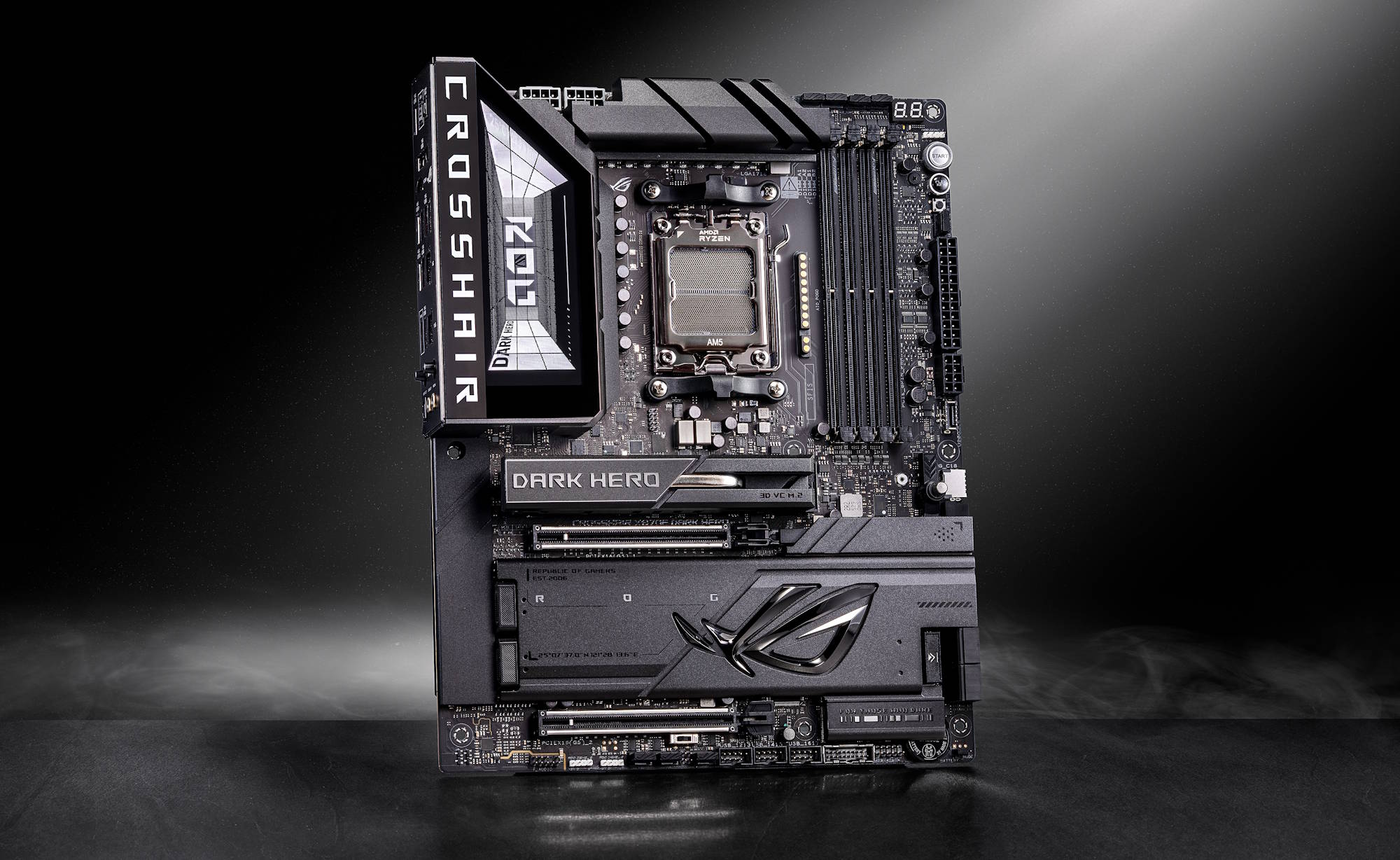
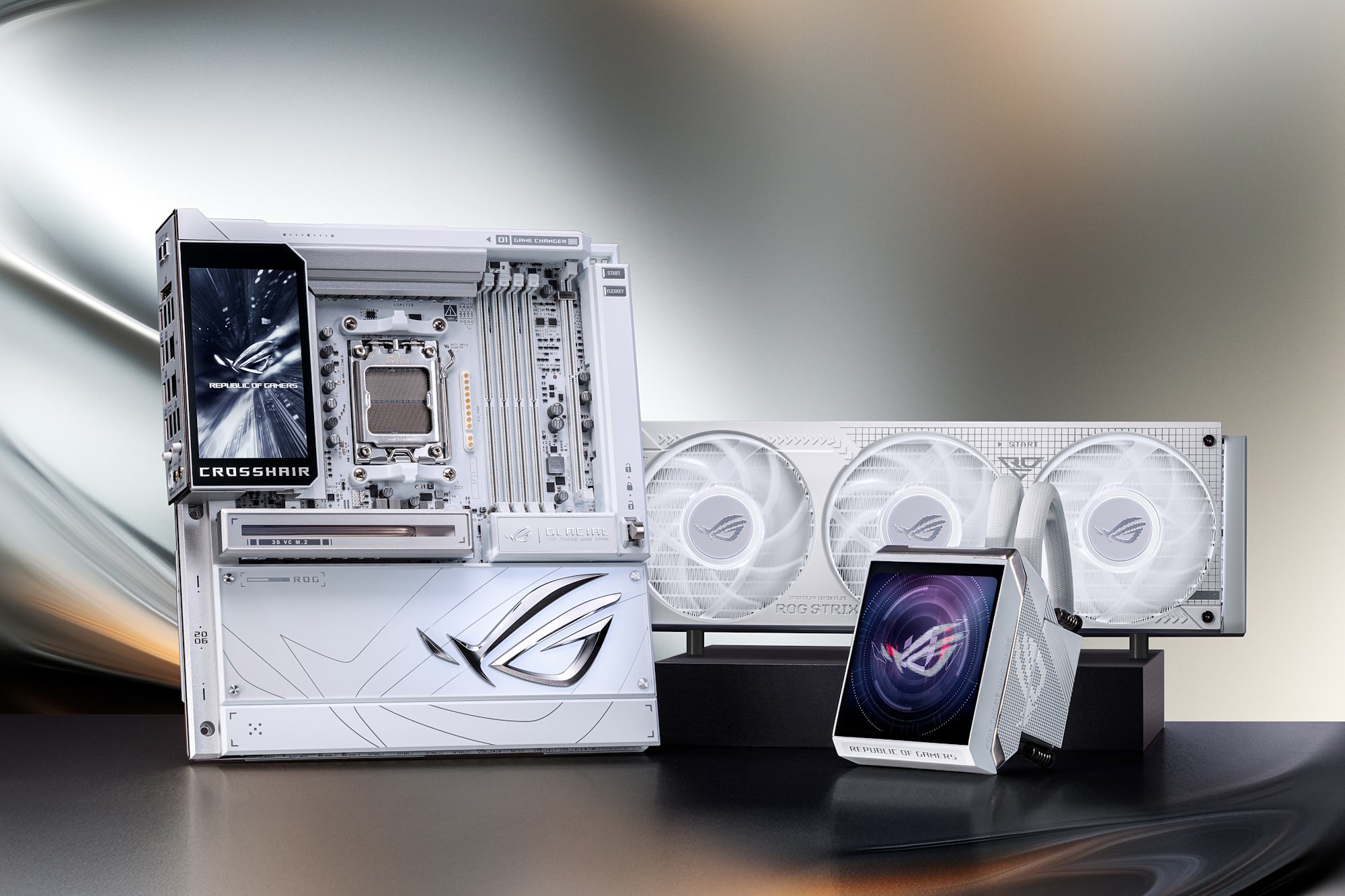
ASUS is also showcasing its CES 2026 Innovation Award winner, the ROG Crosshair X870E Glacial, as a flagship example of how far the lane layout refresh goes. ASUS says this board maintains full PCIe 5.0 x16 bandwidth for the GPU while also allowing 2 PCIe 5.0 M.2 SSDs to operate at full speed. At the same time, the second PCIe slot can operate at Gen 3.0 x4 mode, which is an intentional design decision that preserves the primary performance path while still keeping expansion flexibility for secondary cards. For creators who want multi device builds, the ProArt B850 Creator WiFi NEO is positioned as another lane layout win, enabling 2 GPUs to run in an X8 X8 configuration for multi GPU setups.
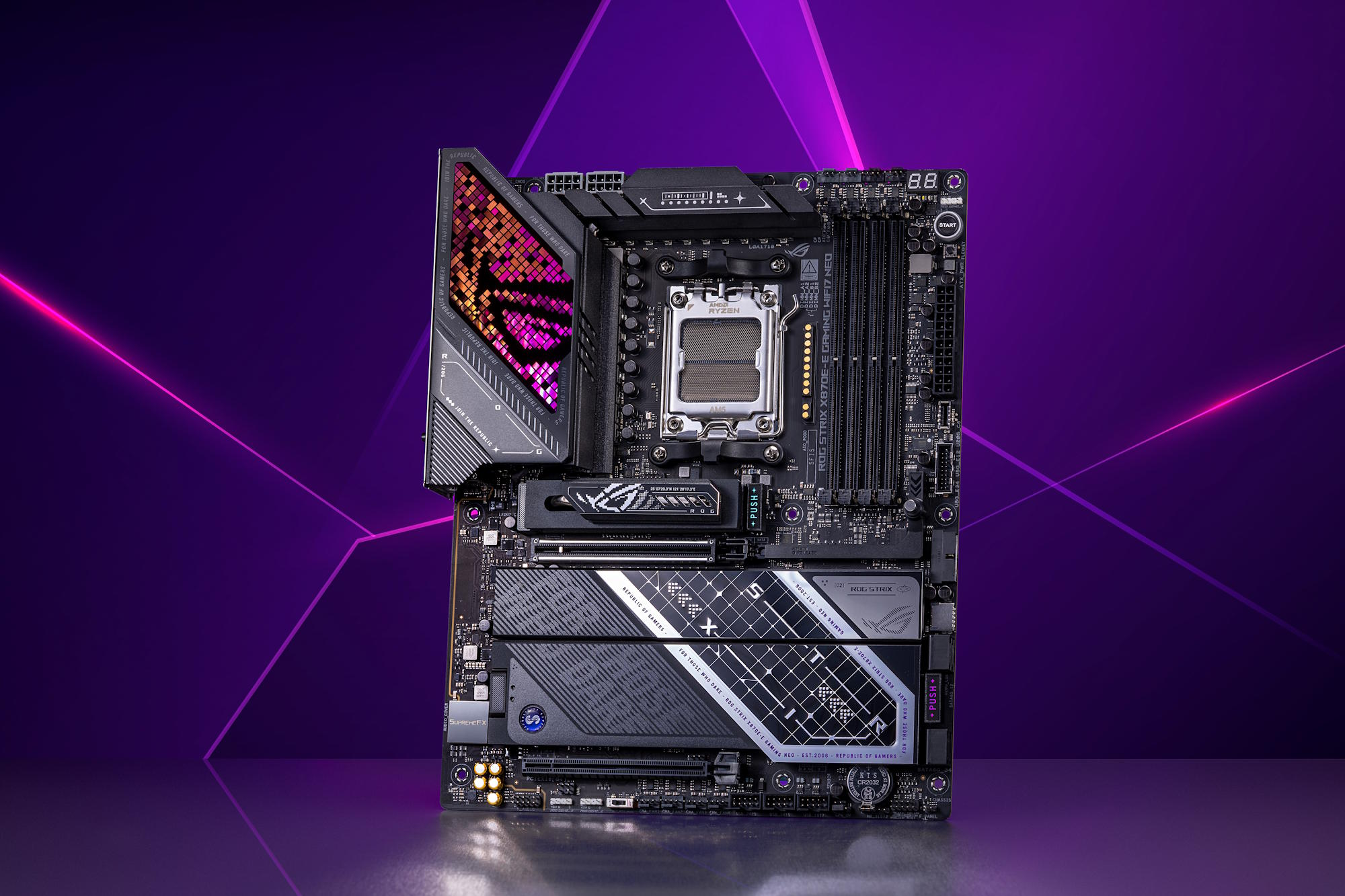
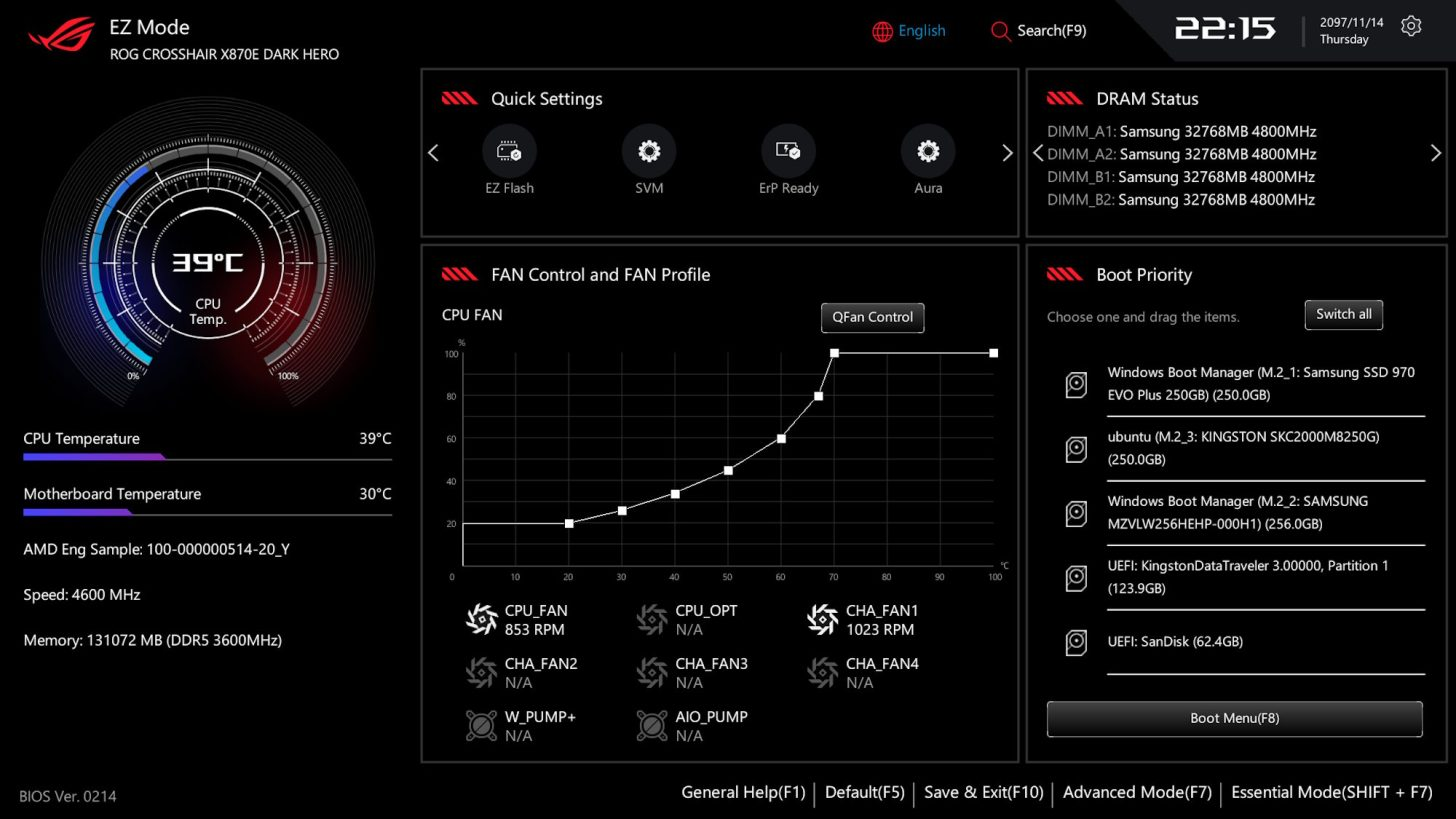
Beyond lanes and storage, ASUS is continuing to build the NEO identity around performance tuning and platform intelligence. These boards will include the ASUS exclusive NitroPath DRAM technology aimed at improving DDR5 performance, plus a suite of AI features including AI Cache Boost, ASUS exclusive AI OC, AI Cooling II, and additional AI assisted system controls. ASUS also emphasizes the usual enthusiast quality of life pillars including strong connectivity, onboard troubleshooting features, and a design language that fits both show builds and professional workstations.
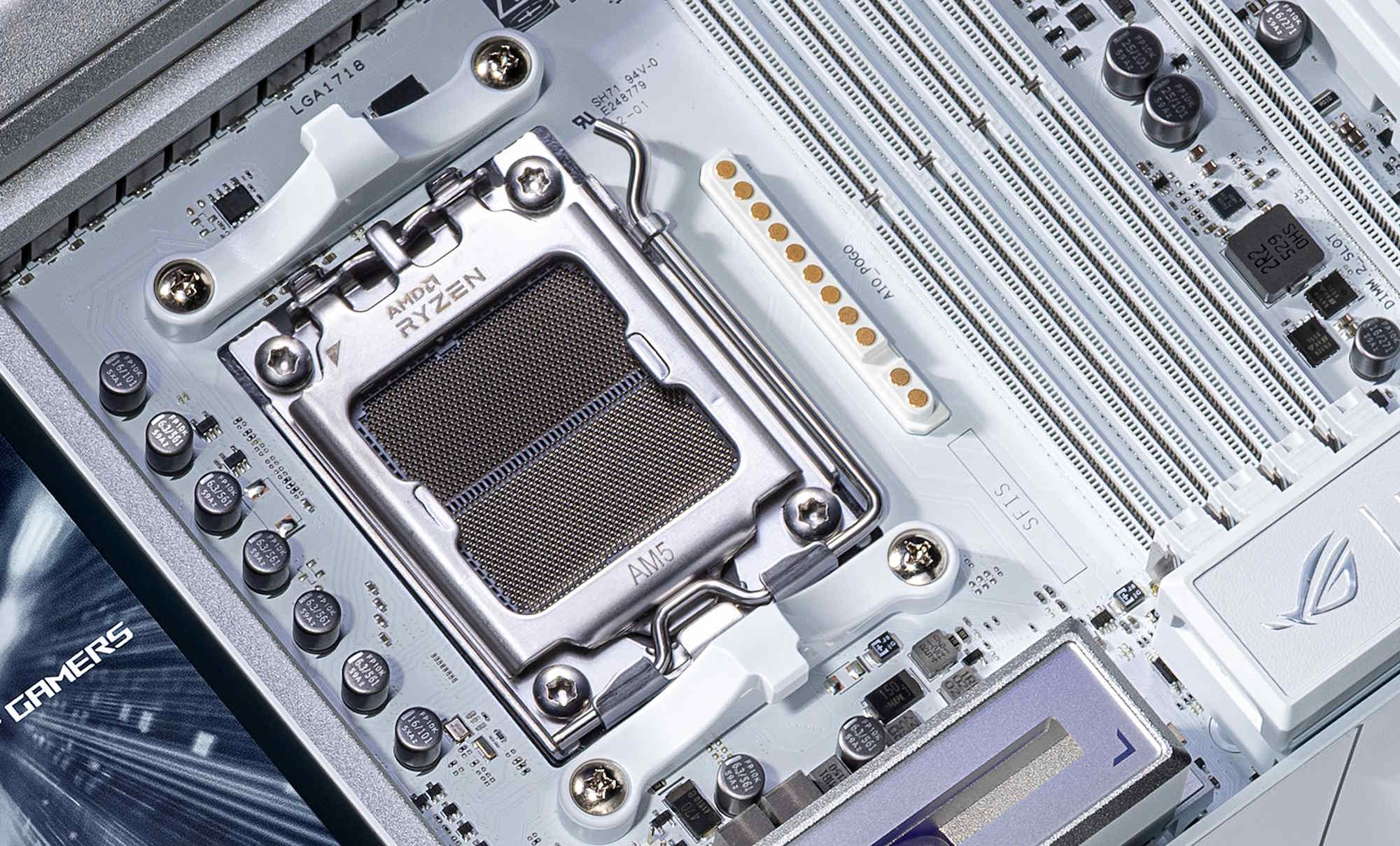
A second major angle is cable management, and ASUS is using this refresh to introduce a cleaner AIO installation concept on select 800 series motherboards. The Crosshair X870E Glacial is provided with a wire free AIO Q Connector, intended to reduce cable clutter and simplify routing. ASUS indicates more models with this feature will arrive soon, which suggests the company is treating clean internal presentation as a core platform feature, not just an aesthetic bonus.
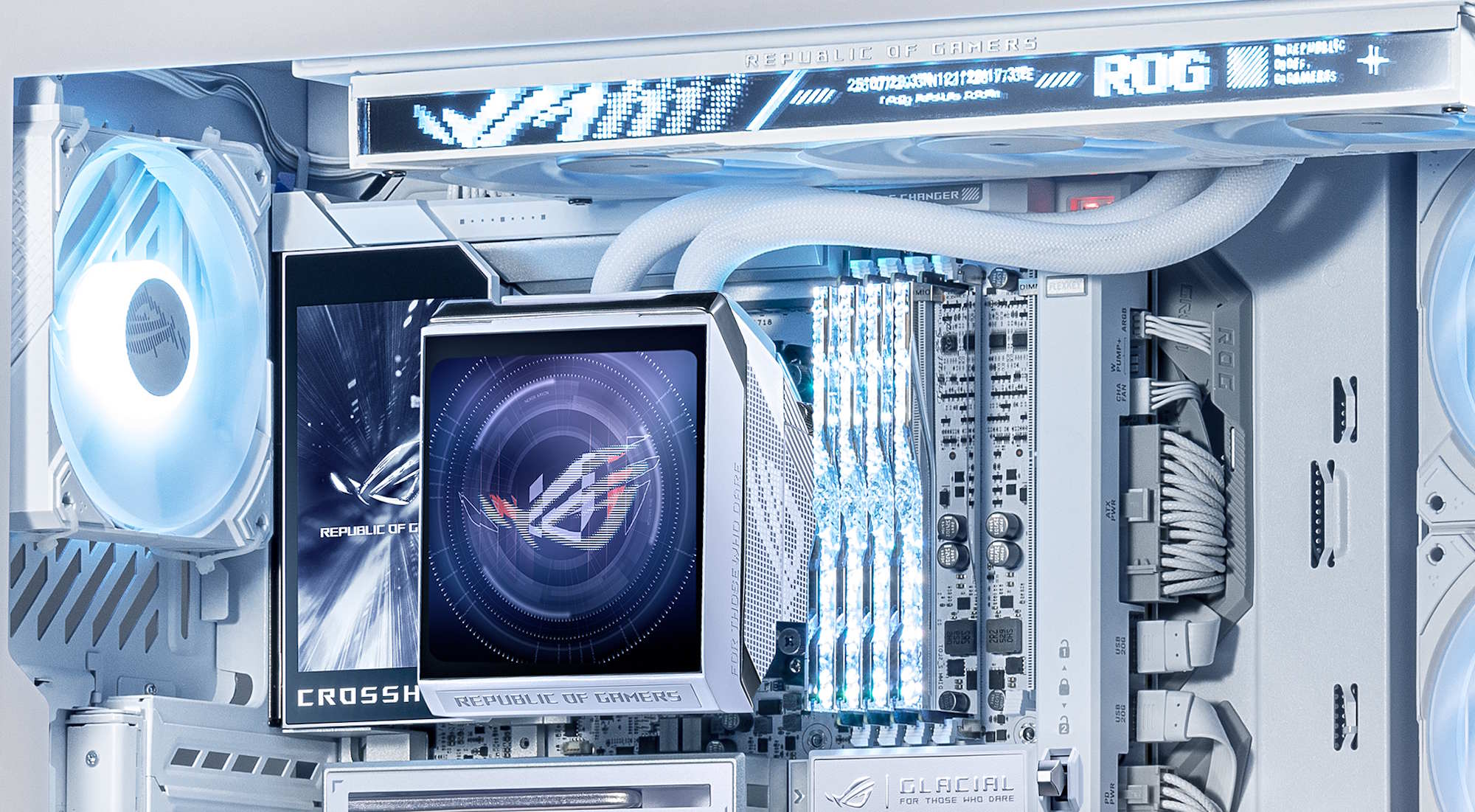
Launching alongside the NEO motherboards is a new cooling lineup, the ROG Strix LC IV AIO series. These coolers feature a 5.08 inch full color display and will be offered in both standard tubing and short tubing variants. The integration play is important here. To take advantage of the AIO Q Connector experience, the LC IV series will be compatible with select motherboards and will eliminate the need for individual connections like pump, fans, or LCD, instead using a simplified single interface approach. For builders, this is a strong ecosystem move because it reduces install friction, improves cable discipline, and makes the final build look closer to a showcase system without requiring hours of manual cable work.
ASUS is also signaling that this is only the start of the NEO rollout. Additional models are expected in the near future, including the ROG Strix X870E A Gaming WiFi 7 NEO, ROG Strix B850 F Gaming WiFi 7 NEO, and a forthcoming TUF series option. If ASUS delivers the same lane layout philosophy across those mainstream enthusiast boards, NEO could become one of the more meaningful quality upgrades for 2026 builds, especially for players and creators who want maximum storage and full GPU bandwidth without compromise.
Would you rather have a motherboard that guarantees full GPU bandwidth with multiple PCIe 5.0 M.2 SSDs, or do you prioritize cleaner cable management features like the wire free AIO Q Connector and display equipped AIO ecosystem?
