
ASRock BIOS With AGESA 1.3.0.0a Reportedly Brings a Ryzen 5 9600X Back From No POST Behavior
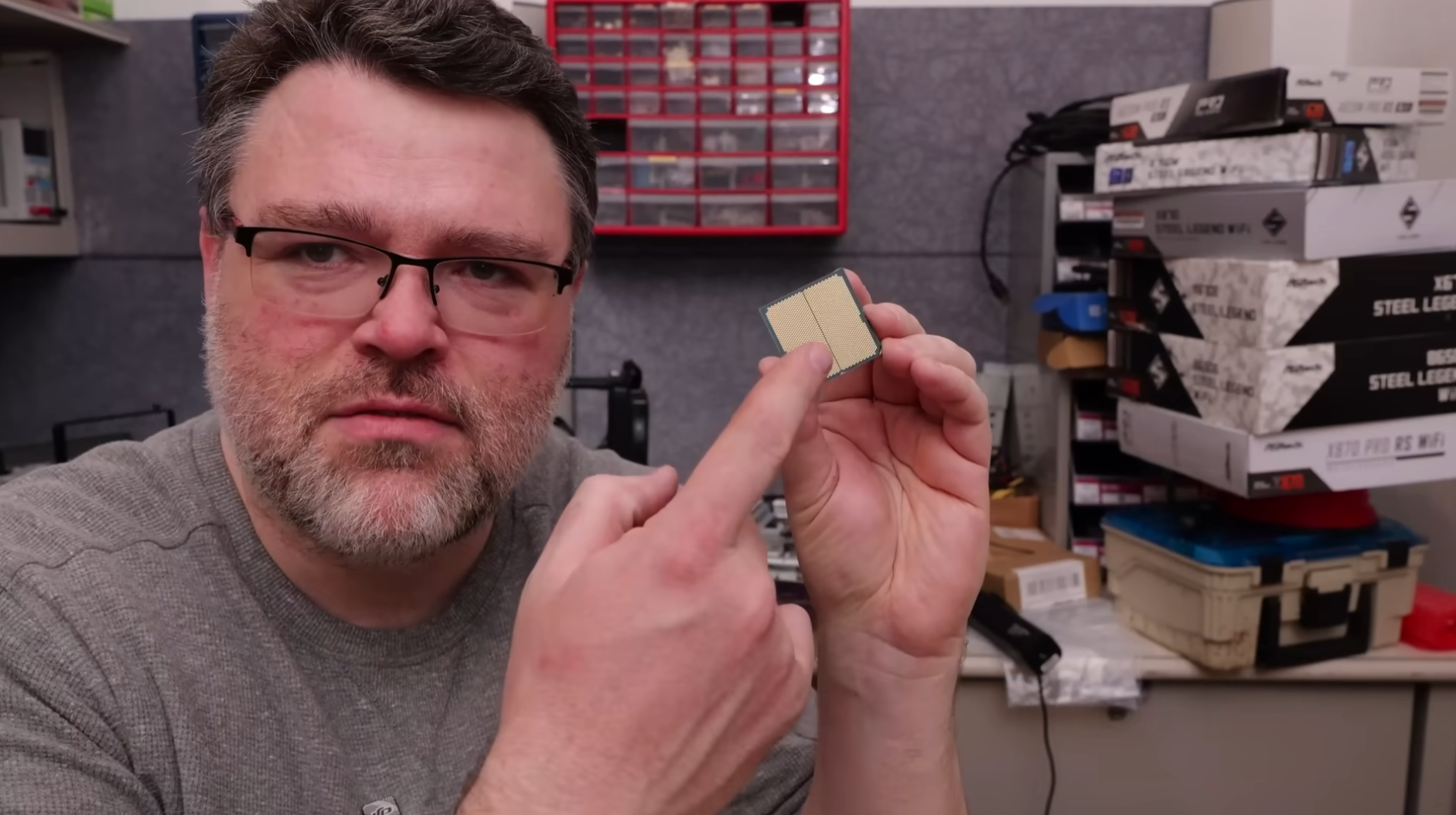
A new hardware troubleshooting case is giving AM5 owners a reason to feel cautiously optimistic. In a fresh test video, Level1Techs shows a Ryzen 5 9600X system on an ASRock X870E Taichi that was behaving like a potential Ryzen 9000 failure case, then returning to stable boot and normal use after updating to an ASRock BIOS that includes AMD AGESA 1.3.0.0a. The key takeaway is not that every Ryzen 9000 failure report is solved, but that at least some scary looking no POST and instability scenarios may be firmware level issues rather than permanent silicon death.
The context matters because Ryzen 9000 failure chatter has been noisy, and some cases have included visible burned CPUs and sockets. This video highlights a different category of problem: systems that fail to boot or behave erratically without obvious physical damage. In those situations, the line between a dead CPU and a platform level boot training issue can be blurry, especially when symptoms appear and disappear across reboots.
In the Level1Techs case, the system presented inconsistent behavior that would drive any builder to question the CPU, the motherboard, or both. The PC would sometimes POST and sometimes not. It could hang on the yellow debug LED, including during memory training. Clearing CMOS did not produce a lasting fix. The system also reportedly froze during Windows updates, occasionally booted to a black screen, and showed memory stick sensitivity where 1 module could work but adding the second would only function temporarily before the instability returned.
That type of pattern points straight at the early boot stack, memory initialization, and platform microcode behavior, which is exactly where AGESA updates can move the needle. ASRock previously indicated it would address certain CPU failure and boot failure scenarios via BIOS updates, and the stable ASRock BIOS v4.10 described here is framed as bringing memory optimizations and mitigations for boot failures. In this report, the AGESA 1.3.0.0a equipped BIOS appears to have done what it was supposed to do: restore reliable boot and allow normal gaming and benchmarking without the prior instability loop.
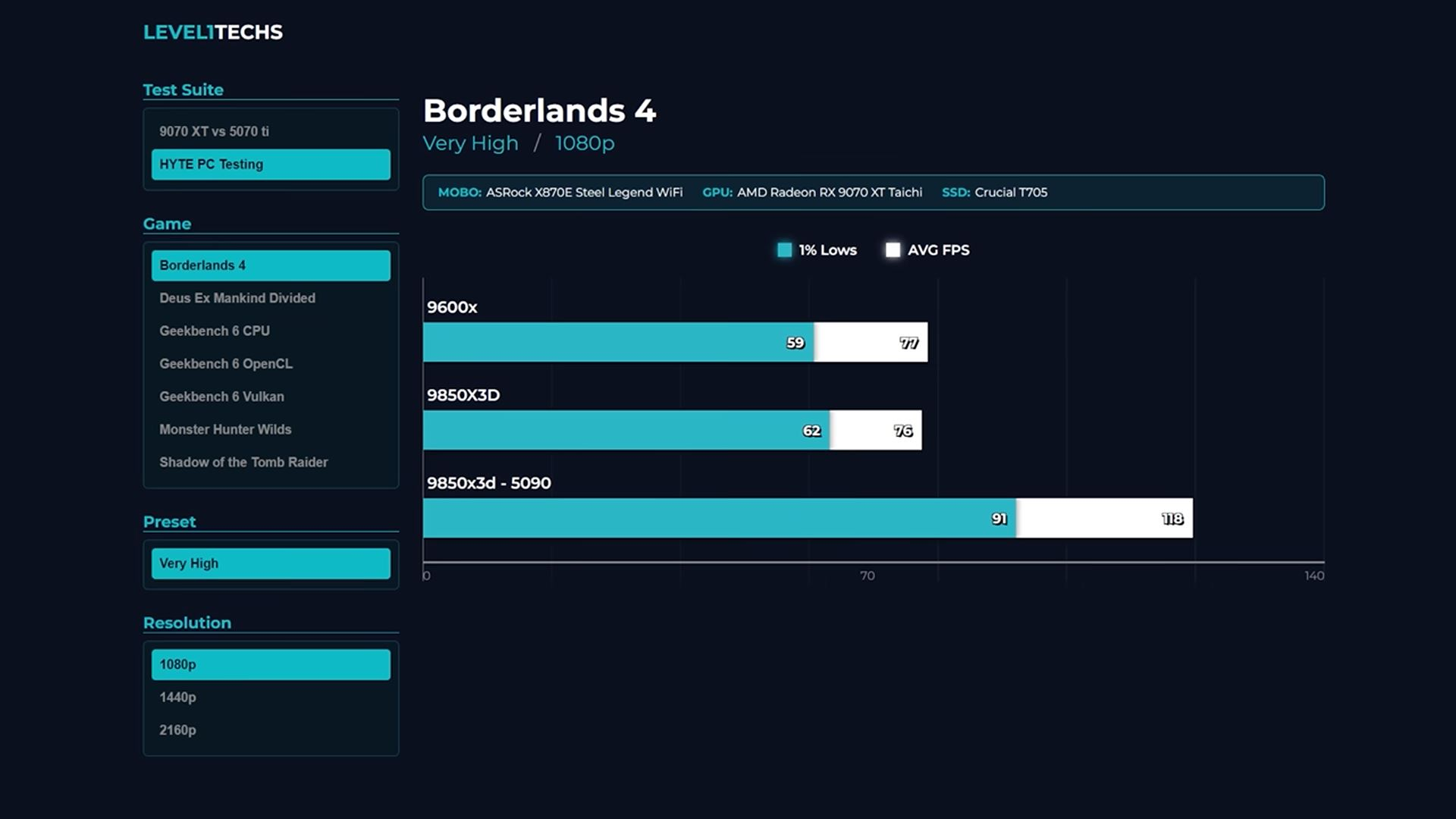
The practical message for builders is straightforward. If you are on an ASRock AM5 board and you are seeing no POST, intermittent POST, unstable memory training, or unpredictable boot behavior on Ryzen 9000 class systems, updating to the latest stable BIOS that includes the newer AGESA may be a high impact first step. At the same time, this is not a magic repair tool for every scenario. If a CPU or socket is physically damaged, firmware will not reverse that. What it can do is reduce false positives where a system looks dead, but is actually stuck in a microcode and training failure state.
From a platform health perspective, this is exactly the kind of signal the AM5 ecosystem needs right now. Fewer mysterious no POST reports, more consistent memory training, and clearer firmware level fixes can reduce return cycles, stop panic RMAs, and give Ryzen 9000 owners more confidence that the platform is stabilizing through mature BIOS cadence.
If you are on AM5, have you seen intermittent POST or memory training issues with Ryzen 9000, and did a BIOS update improve it, or are you still stuck troubleshooting?
