
Around Half of Oblivion Remastered Players on PS5 Played for Less Than 15 Hours
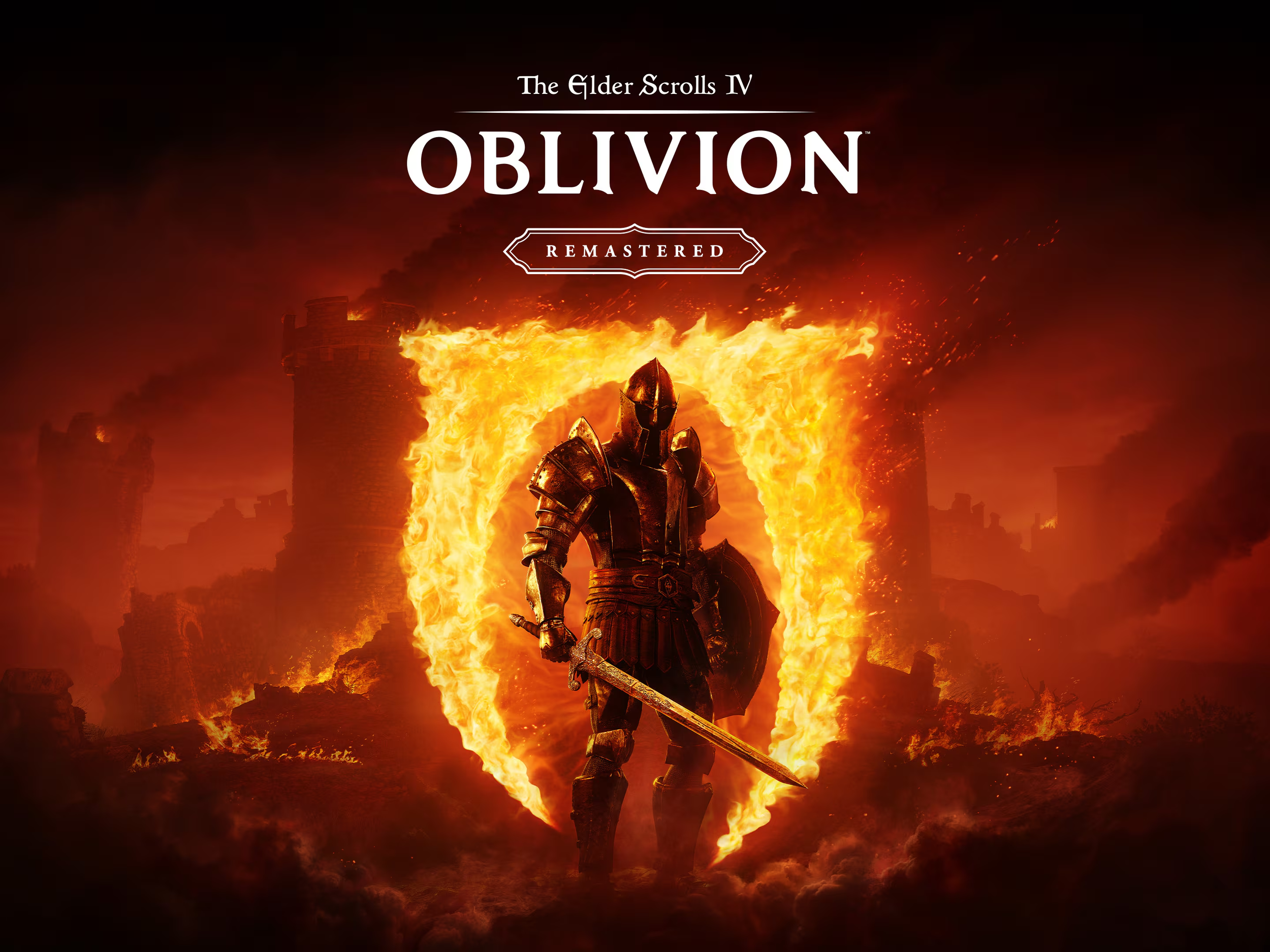
Bethesda’s Oblivion Remastered arrived as a nostalgia powered win for The Elder Scrolls community, delivering a modern Unreal Engine 5 facelift while keeping the original gameplay feel largely intact. The shadowdrop effect did exactly what it was supposed to do: spark curiosity, trigger memories, and pull lapsed fans back into Cyrodiil long enough to relive the vibe that defined the 2006 era.
But a new analysis suggests nostalgia has a hard engagement ceiling, especially for a massive RPG that traditionally thrives on long session play. In a recent report shared by Alinea Analytics, analyst Rhys Elliot writes that Oblivion Remastered sold 1.1 million copies on PlayStation 5, with over 80% of those sales happening in the first month. The report also notes smaller sales spikes tied to price drops, including discounts down to 33$ in recent months.
Where the story gets interesting is not sales, but retention. The report states that around half of Oblivion Remastered players on PlayStation 5 played for less than 15 hours, implying many players got their nostalgia fix and then disengaged before meaningful progression. That is a reality check for the remake playbook: upgraded visuals can drive day 1 demand, but they do not automatically sustain long tail playtime, especially in a genre where the player expects modern quality of life, smoother performance, and content depth that competes with current live ecosystems.
From a gamer and reviewer perspective, this tracks with how remasters often land today. A lot of players come back to confirm the feeling is still there, test the opening loop, wander the world for a few sessions, and then bounce once the friction shows up. If performance is unstable across formats, that alone can kill momentum because technical hiccups break immersion faster than almost any design flaw. Another structural factor is mod support. On console, Oblivion Remastered reportedly does not offer the kind of mod ecosystem that helped Skyrim become an enduring platform rather than a one and done RPG. When the player cannot personalize the experience or fix pain points through community content, the product has to carry engagement purely through native systems, pacing, and polish.
The broader takeaway is that remakes need an engagement strategy, not only an art upgrade. That can mean meaningful new content, expanded systems, modern platform features, or simply performance that is rock solid enough to let players sink into the world without friction. Otherwise, the remake becomes a premium nostalgia tour, commercially successful in the short term, but structurally capped in playtime.
If the sales data is a signal that Bethesda’s legacy still has gravitational pull on PlayStation hardware, the engagement data is the counter signal that legacy alone does not guarantee long term stickiness. With that context, it will be worth watching how other Xbox published Bethesda titles perform on PlayStation 5, especially Starfield, which the report suggests could potentially outperform Oblivion Remastered on the platform.
Do you think Oblivion Remastered needed new content and console mod support to keep players engaged, or is a faithful visual upgrade enough for a remake in 2026?
