
Aqua Computer Launches Ampinel to Reduce 12V 2×6 Connector Melting Risk Through Load Balancing, Priced at 100 Euros
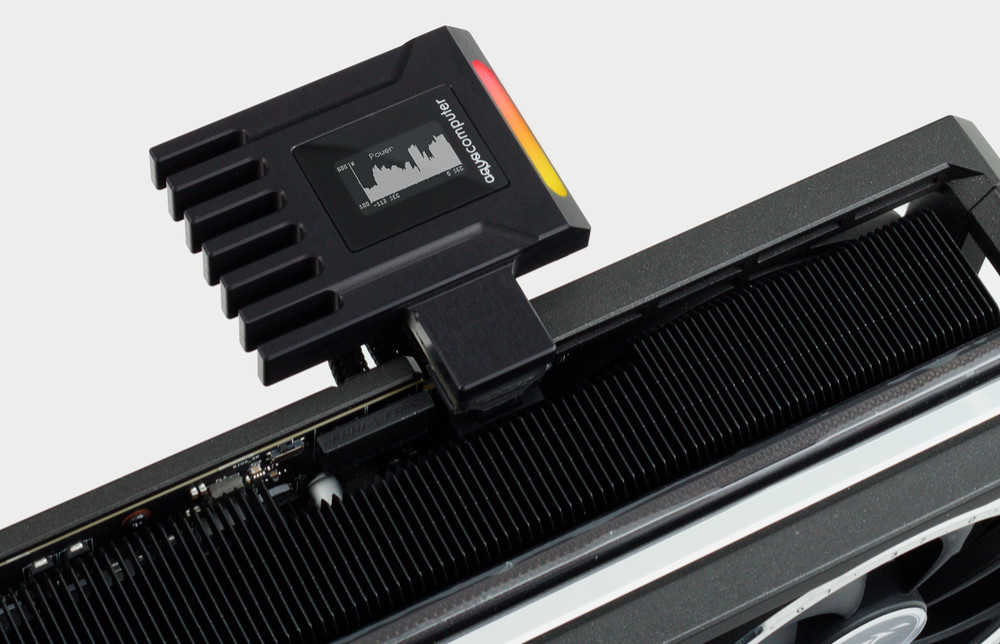
Aqua Computer has officially launched Ampinel, a new power management accessory designed to reduce the risk of overheating and melting on GPUs that use the 16 pin 12V 2×6 power connector. The product targets a real and persistent pain point in the high end PC space, where uneven current distribution across the connector pins and imperfect contact can create localized heat buildup, especially under sustained high load scenarios.
Ampinel was originally planned for a November 2025 launch, but Aqua Computer says the release was delayed after the company significantly expanded the feature set, increasing development effort and raising the final price by 20 Euros. As a result, Ampinel is now priced at 100 Euros instead of the earlier 80 Euros plan.
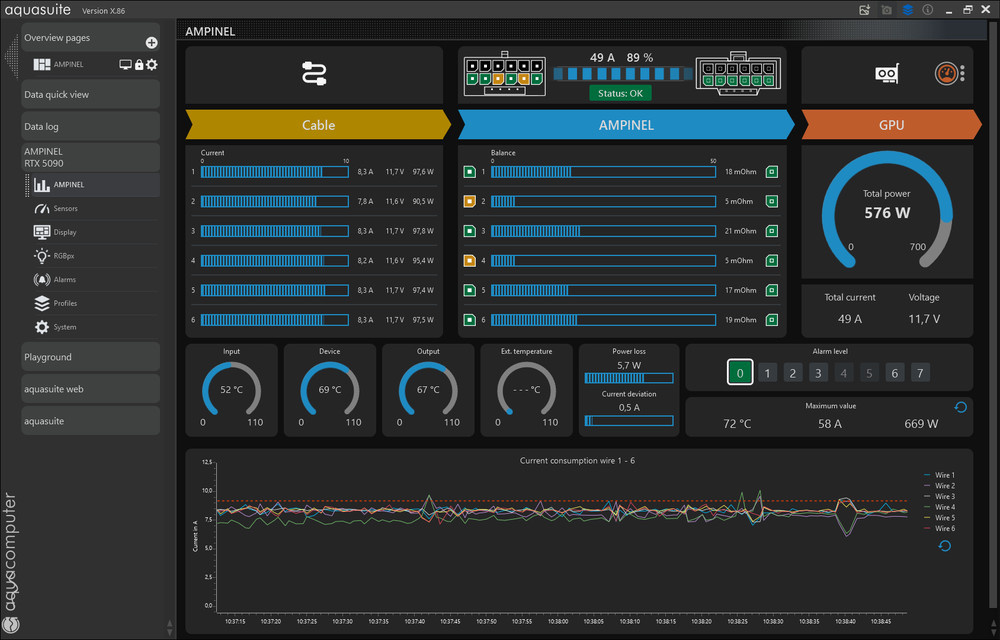
The key differentiator Aqua Computer is pushing is Load Balancing. Rather than focusing primarily on real time readouts, Ampinel is positioned as a current distribution solution that aims to spread load across all pins more evenly. That is a practical approach because one of the common failure patterns discussed in the PC community is that, when contact is not ideal, certain pins can end up carrying disproportionately higher current. That imbalance can accelerate heat buildup at the connector interface and increase the probability of thermal damage over time.
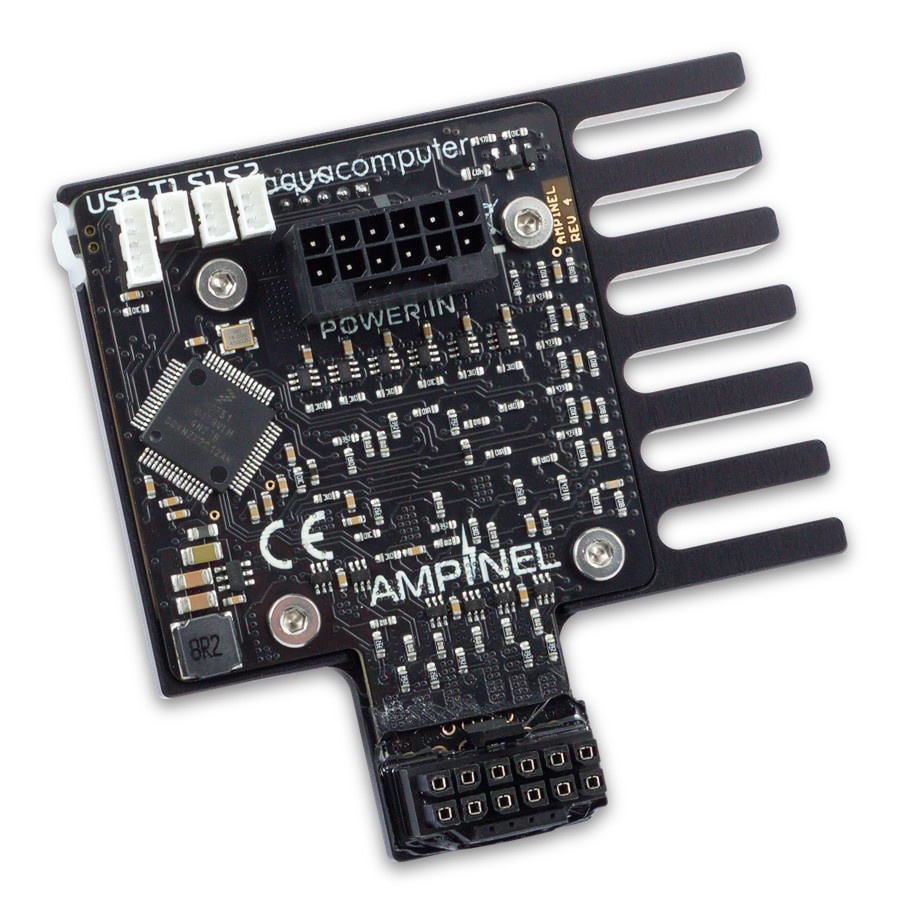
In terms of target audience, Ampinel is clearly aimed at the enthusiast tier where sustained power draw is routine. It is being framed as a viable option for high end NVIDIA GeForce RTX cards, including GeForce RTX 5090 and RTX 4090 class products, as well as other GPUs that use the 12V 2×6 connector standard. Aqua Computer also notes the device can be paired with optional software for monitoring and customization, adding a control layer for users who want visibility and configuration rather than a purely passive inline safeguard.
Aqua Computer is shipping Ampinel in two variants, Type A and Type B, based on connector orientation on the graphics card. That matters in real builds because clearance, cable routing, and side panel pressure can all impact connector seating quality, which is exactly the kind of detail that can influence long term reliability.
One important caveat called out in the announcement is that Ampinel does not include extended GPU warranty coverage. That is a notable difference versus some competing mitigation products in this category, so buyers should treat Ampinel as a preventative hardware layer, not an insurance substitute.
For gamers and creators running power hungry builds in 2026, Ampinel fits into a broader trend of enthusiast grade risk management: reducing failure probability on the most stressed physical interface in a modern flagship GPU setup. If your rig is already pushing high sustained wattage, the core value proposition here is not performance uplift. It is operational stability and peace of mind.
Would you add a load balancing device like Ampinel to a flagship GPU build, or do you trust a properly seated cable and quality PSU to be enough?
