
Alderon Games Founder Says PlayStation 6 May Face a Bigger Problem Than Specs: Convincing PS5 Owners to Upgrade
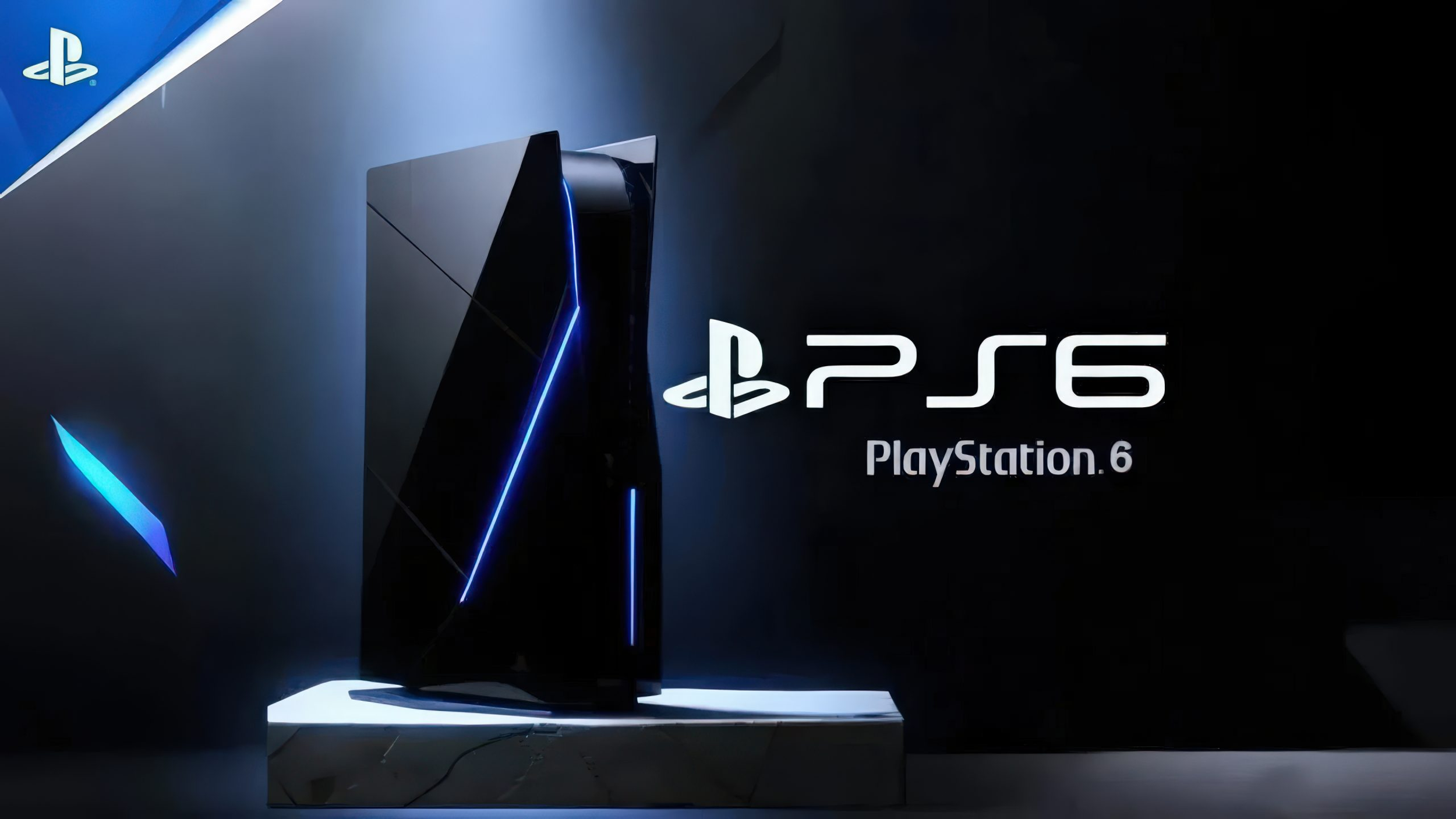
The conversation around PlayStation 6 usually starts with hardware. Better ray tracing, stronger machine learning features, and whatever comes next for Sony’s upscaling stack are all expected to be central parts of the next generation pitch. But Alderon Games founder Matthew Cassells believes Sony’s real challenge may be much simpler and much harder at the same time: getting existing PlayStation 5 users to feel the jump is worth paying for.
Speaking on Moore’s Law is Dead’s Broken Silicon podcast, Cassells said that a surprisingly large portion of Alderon’s own PlayStation audience is still on base PlayStation 4 hardware. According to his comments, roughly 30% to 40% of the studio’s PlayStation players have not upgraded to PlayStation 5 because they have not seen a meaningful enough leap yet. That is a striking data point, even if it comes from one studio’s audience rather than Sony’s full platform wide user base.
Cassells’ argument is that this creates 2 very different upgrade audiences for Sony. For PlayStation 4 users, the jump straight to PlayStation 6 could feel obvious and dramatic, the kind of generational leap that immediately sells itself. He compared that kind of transition to the old PlayStation 2 to PlayStation 3 era, where the improvement felt undeniable. But for current PlayStation 5 owners, and especially PlayStation 5 Pro users, the value proposition becomes much murkier. In his view, it is difficult to know whether a better ray tracing solution alone will feel substantial enough to push those players into another expensive hardware purchase.
That is where his point becomes more interesting for the industry as a whole. A slower move from PlayStation 5 to PlayStation 6 would not only be Sony’s problem. It could also prolong the cross generation era for developers, which tends to hold back how quickly games can fully target newer hardware. Cassells suggested that only now are developers really moving out of the long cross generation shadow of older systems, especially after years of having to account for dated storage and performance constraints. His broader point is that if adoption is slow again, the true next generation software leap may be delayed too.
There is no official PlayStation 6 hardware reveal yet, and Sony has not announced launch timing, pricing, or final technical targets. That means Cassells is not reacting to a finished product. He is reacting to the upgrade psychology Sony may face when it finally arrives. And in that sense, his argument is less about teraflops or features and more about customer behavior. If today’s PlayStation 5 owners already feel well served, then Sony will need more than a cleaner image, stronger upscaling, or better reflections to create urgency. Any claim about exact PlayStation 6 specs or launch window remains unconfirmed at this stage.
That may be why Cassells also floated the idea of a more diversified launch strategy, including a lower priced companion device or handheld style option, as one way to make the next generation transition feel more compelling. That specific hardware idea remains speculative, but the business logic is clear. If the leap between PlayStation 5 and PlayStation 6 feels too incremental to a large part of the audience, then Sony may need to sell the ecosystem, the form factor, or the price point just as much as the graphics upgrade itself.
In other words, PlayStation 6 may not have a raw power problem. It may have a perception problem. And those are often much harder to solve.
Do you think Sony can make PlayStation 6 feel like a must buy upgrade for PS5 owners, or will the next real generational leap only be obvious to players still stuck on PS4?
