
Older NVIDIA Jetson Modules Are Being Phased Out as LPDDR4 Shortages Hit Single Board Computers Too
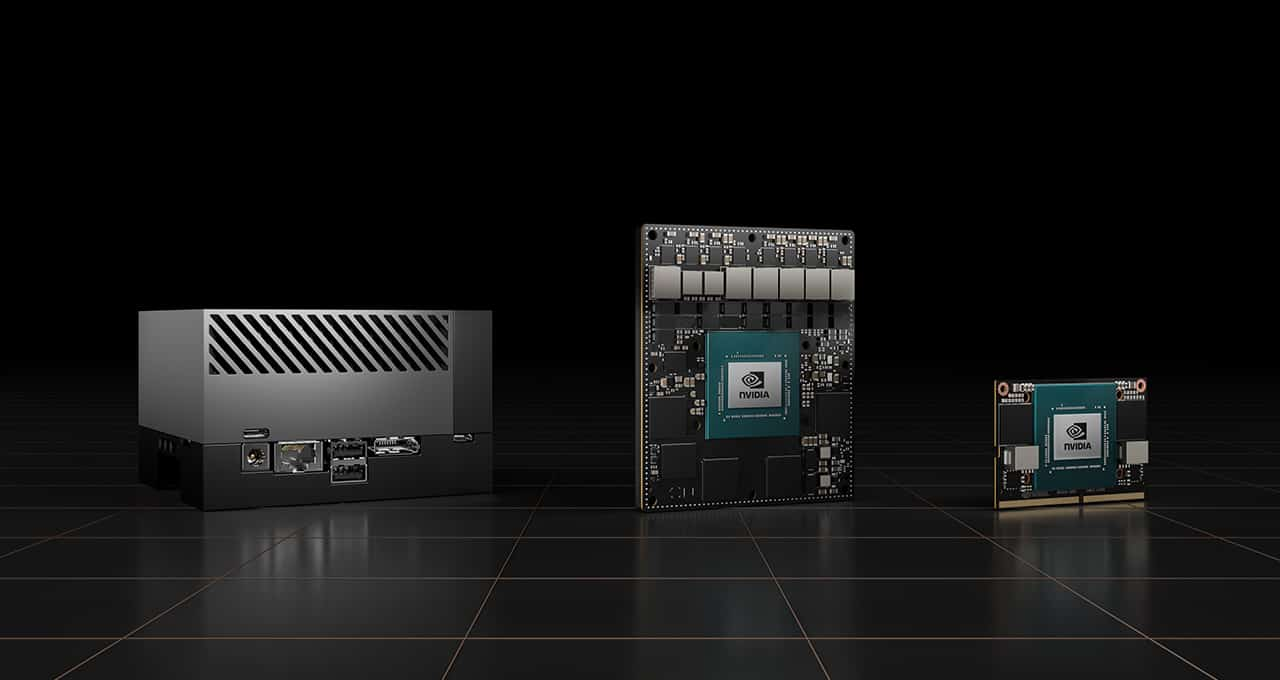
The ongoing memory squeeze is no longer just a problem for AI servers, gaming hardware, and mobile devices. It is now hitting embedded and edge computing platforms as well, with older NVIDIA Jetson modules beginning to phase out as LPDDR4 supply tightens and pricing worsens. According to a report from CNX Software, the affected products include the Jetson TX2 NX in both 4GB and 8GB versions, Jetson TX2i, Jetson AGX Xavier 32GB and Industrial, and Jetson Xavier NX. CNX traced the move to a Connect Tech lifecycle update stating that NVIDIA had indicated LPDDR4 based module supply and pricing had become increasingly constrained due to changes in global DRAM market dynamics.
The transition timeline is now becoming clearer for customers still building around those modules. Connect Tech says all new purchase orders for products using TX2 NX, TX2i, AGX Xavier, and Xavier NX are already non cancelable and non returnable, with final purchase orders accepted until July 1, 2026, all existing purchase orders converting to non cancelable and non returnable on July 15, 2026, and last shipments scheduled for July 15, 2027. NVIDIA’s own Jetson lifecycle page also shows Jetson AGX Xavier 32GB, Xavier NX 8GB and 16GB, TX2 NX, AGX Xavier Industrial, and TX2i as available through July 2027, reinforcing that these older LPDDR4 era products are now approaching the end of their commercial runway.
This is not happening in isolation. Samsung has now officially marked both LPDDR4 and LPDDR4X as discontinued on its semiconductor site, confirming that one of the industry’s biggest memory suppliers is stepping away from those older low power DRAM families. At the same time, Reuters reported that Samsung expects the supply to demand gap in memory to widen even further in 2027 than in 2026, with AI driven demand continuing to absorb capacity and squeeze conventional chip supply. That broader market backdrop helps explain why embedded products tied to legacy LPDDR4 are now under more pressure.
For developers, OEMs, and industrial customers, the strategic message is straightforward. Legacy Jetson platforms are becoming harder to justify not because they suddenly stopped being useful, but because the memory ecosystem around them is losing long term stability. Connect Tech explicitly says it will help customers migrate to next generation platforms such as Jetson Orin and other newer architectures, and NVIDIA’s lifecycle page shows the Orin family stretching out to January 2032, giving customers a much more durable planning horizon. In practical terms, the LPDDR4 crunch is accelerating a platform refresh that many embedded customers may have preferred to delay.
The bigger takeaway is that memory shortages are now shaping product availability far beyond the datacenter. Single board computers, robotics platforms, and edge AI modules are increasingly exposed to the same capacity reallocations that have already transformed the wider DRAM market. For companies still relying on older Jetson designs, this phase out is a warning that component strategy now matters as much as compute strategy.
What do you think, will LPDDR4 shortages push embedded developers faster toward Jetson Orin class platforms, or will the market still try to stretch older boards for as long as possible?
