
Jensen Huang Says AI Will Create More Jobs by the End of the Revolution Than at the Start
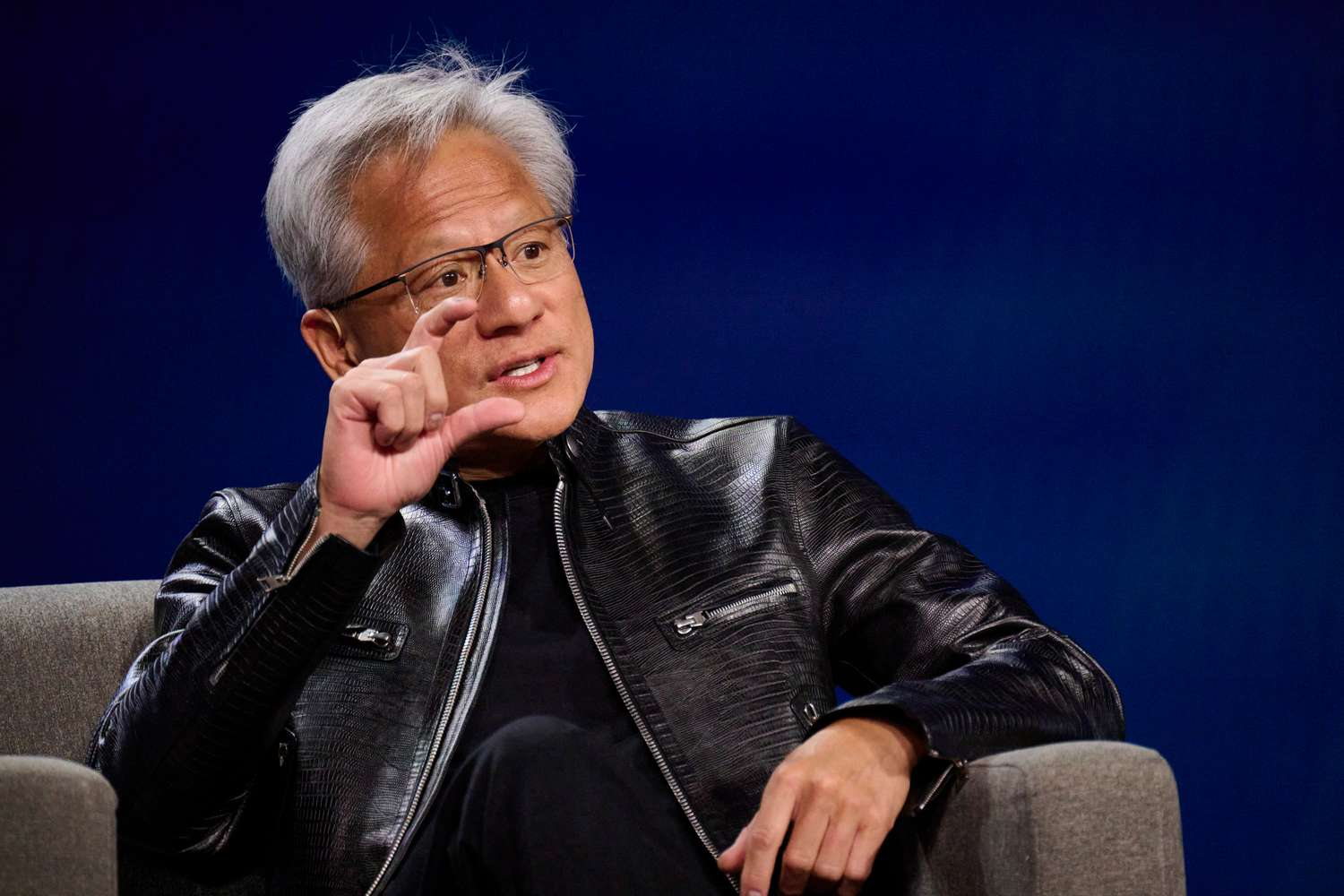
NVIDIA chief executive officer Jensen Huang is once again framing artificial intelligence as the defining industrial shift of this era, and this time he is pushing a message aimed directly at one of the public’s biggest fears. During a recent Stanford Graduate School of Business conversation, Huang argued that AI should not be viewed primarily as a job destroying force, but as a platform that can expand human capability, create new industries, and ultimately generate more work over time. Stanford’s own event description said the discussion focused on how the United States can maintain AI leadership and how the workforce can be empowered for the AI era, placing jobs and long term economic impact at the center of the conversation.
Huang’s core argument is that the greatest immediate risk is not simply AI replacing workers, but workers being overtaken by people who know how to use AI better. In the remarks circulated from the event, he emphasized that broad adoption matters because AI is becoming a practical tool for everyday work, not a niche system reserved for technical specialists. NVIDIA’s own social messaging around the talk echoed that view, saying AI will create new kinds of work, new industries, and new ways to build.
"AI is an incredible technology that everybody should know how to use." — Jensen Huang
— NVIDIA (@nvidia) April 17, 2026
Across industries, AI is elevating what all of us are capable of. pic.twitter.com/l4oaQDi0J1
That framing is consistent with how Huang has been talking about AI for some time. He sees the technology as a productivity amplifier that can elevate what people do rather than only automate it away. In that view, workers who adapt can expand their roles, offer more sophisticated services, and move into higher value work instead of being displaced outright. His larger claim is even more ambitious: that by the end of this AI industrial revolution, there will be more people working than there were at the beginning.
This is an optimistic thesis, but it also comes with a clear condition. Huang’s position depends on widespread AI literacy and real integration across industries. If AI remains concentrated in a few companies or is used mainly as a cost cutting mechanism, the near term labor shock could feel very different from the long term upside he is describing. His comments, however, are clearly aimed at the opposite outcome, one where AI becomes a general purpose layer that helps more people participate in higher productivity work rather than locking them out of it.
From a market perspective, this message is also very strategic for NVIDIA. The company is no longer just selling graphics hardware or accelerators. It is helping define the business narrative around AI itself. By positioning AI as a job creator, a skills multiplier, and a driver of industrial growth, Huang is effectively arguing that the next phase of adoption should be broader, deeper, and more embedded across the economy. That helps explain why NVIDIA continues to talk not just about models and chips, but about factories, enterprise systems, and workforce transformation at the same time.
Whether that vision fully materializes will depend on how companies, governments, and workers respond over the next several years. But Huang is making his position very clear. He does not see AI as the end of work. He sees it as the foundation for a new kind of work economy, one that could end up larger than the one that existed before the AI boom began. For now, that remains one of the most important and most contested ideas shaping the entire technology sector.
Do you agree with Jensen Huang that AI will create more jobs in the long run, or do you think the disruption phase will be too severe for that promise to hold?
